
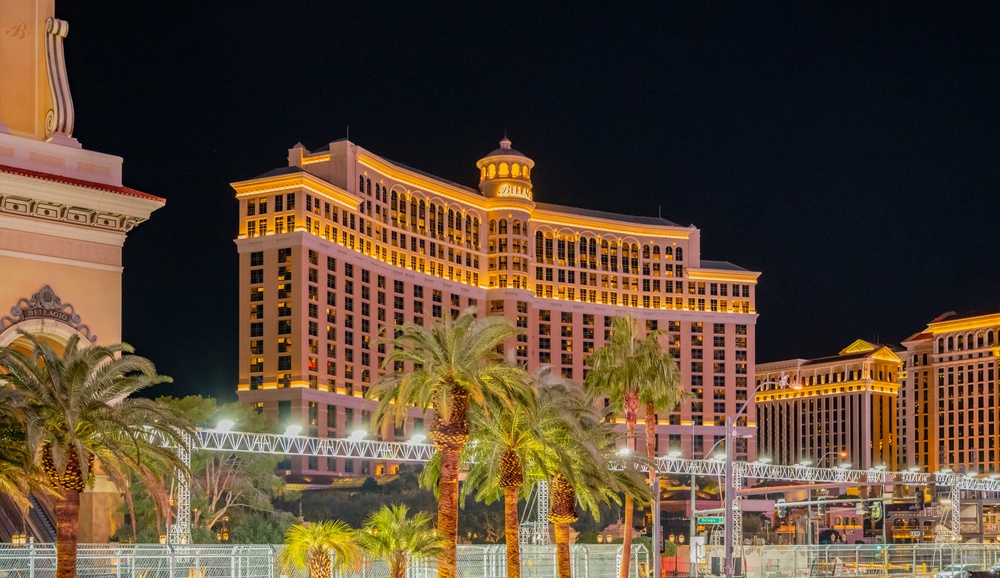
Why the advertised price is never the price
Las Vegas pricing is built to show a low headline number and collect the rest later. A $99 room becomes $150 with the resort fee and tax; a $60 show ticket becomes $85 with fees; a $19 cocktail becomes $25 with a concession fee and gratuity; free parking became $15 to $25 a day at most Strip resorts. None of it is hidden in the legal sense, since it is disclosed somewhere, but it is placed where you will not see it until you are committed. This page collects every recurring extra in one list, gives 2026 ranges, and links to the full guides on the two largest: resort fees and parking.
Resort fees: the big one
Nearly every Strip resort charges a mandatory daily resort fee of roughly $30 to $55 plus 13.38 percent tax on top of the room rate, in exchange for amenities you may or may not use: Wi-Fi, pool access, fitness center, local calls. Federal rules effective in 2025 require the total price including the fee to be displayed up front in advertising, so it is more visible than it was, but the fee is still charged separately at check-out and often excluded from third-party site prices until the final screen. It is not negotiable on a standard booking, though it is sometimes waived for high-tier players club members, for some casino-comped stays and at a handful of hotels that do not charge one. The full explanation, the current ranges by resort and the ways around it are in resort fees explained and hotels without resort fees.
Parking: self-park and valet
Free parking on the Strip ended in 2016 and most MGM, Caesars and Wynn properties now charge for self-parking (roughly $15 to $25 for 24 hours, higher on event days) and more for valet, often with a separate valet fee plus the tip. A few resorts remain free for self-parking or waive it for hotel guests and players club tiers; Downtown garages usually validate for a few hours with casino play or a purchase. Vehicle guests pay the fee once per day in most cases and can come and go, but check the terms, since some garages charge on each exit. The parking guide lists who charges what and where the free garages still are, and getting around without a car makes the case for not renting one at all.
CNF, venue fees and service charges
A CNF (concession and franchise fee) is a percentage, typically 4 to 6 percent, added to restaurant and bar bills at some resorts and airport concessions to cover the operator's rent to the landlord; it is not a tip and not a tax, and it appears on the check as a line item. A venue fee or service charge of 18 to 20 percent is added at pools, cabanas, room service, spas, some restaurants and all nightclub and dayclub tables; part or all of it may go to staff, and the bill will often still show a gratuity line. Read every check before you sign. Neither fee is illegal, but both are the reason a "$45 tasting" costs $60. The tipping guide explains how to tip once when a service charge is present.
Ticket and booking fees
Show and concert tickets carry service and facility fees of 15 to 30 percent of the face value, plus sometimes a delivery or "print at home" charge and a "live entertainment tax" of 9 percent on admissions in Nevada. A $79 seat advertised online can cost $110 at the checkout. Buying at the venue box office in person avoids some of the online fees; buying from the day-of discount booths saves more on the face price but still carries their own fee. Hotel bookings through third-party sites may add booking fees on top of resort fees, and prepaid non-refundable rates rarely include the resort fee. Cabana, dayclub and club bookings add tax and service charges to the quoted minimum spend, taking a $1,000 minimum to about $1,350 to $1,400 all-in. See the how to buy show tickets guide.
Room-level traps
- Minibar sensors: many resort minibars charge as soon as an item is lifted for more than a few seconds; do not use the fridge for your own drinks unless the hotel says it is empty. Restocking fees apply.
- In-room Wi-Fi tiers: the resort fee covers basic; premium costs extra.
- Early check-in and late check-out: often $30 to $100 each; loyalty tiers sometimes waive.
- Safe fees and "amenity" fees listed separately at a few older hotels.
- Smoking fees of $250 to $500-plus for tobacco, cannabis or vapes in a room.
- Pet fees of $50 to $150-plus per stay or per night at pet-friendly resorts; see pet-friendly Las Vegas.
- Bottled water on the desk that is not free.
The everyday extras
ATM surcharges of $6 to $10-plus per casino withdrawal (see cash guide). Sales tax of about 8.4 percent in Clark County added at the till to almost everything, including restaurant meals, which international visitors find surprising. Rideshare surge pricing during conventions and after big shows, plus airport pickup fees. The Deuce and monorail passes that cost less per ride than singles but only if you use them. Pool chair "premium" fees for front-row seats. Coat check at clubs. Water at the pool bar that costs $8 to $12. Each is small; together they add up to the difference between the trip you priced and the trip you paid for, which is why the budget guide treats them as line items rather than surprises.
How to keep the extras down
- Price a hotel by the total with resort fee and tax, using the resort's own site, and consider the no-fee hotels.
- Do not rent a car unless you are leaving town; if you must, choose a resort with free or included parking.
- Join the players club at your resort before check-in; even the free tier sometimes waives parking and gets discounts.
- Buy tickets at the box office or the official site, and compare the all-in price, not the face price.
- Read checks for CNF and service charges before tipping.
- Bring cash for tips and avoid casino ATMs.
- Ask about early check-in and late check-out rather than assuming they are free.
- Leave the minibar alone.
The hotel deal guide covers the booking side in detail.