
How sushi works in Las Vegas
The sushi scene splits cleanly in two. On the Strip, the big rooms — Nobu, Catch, Zuma, Morimoto, Yellowtail — sell Japanese-fusion dining in loud, glamorous settings, with rolls and sashimi at $20–45 a plate and a crowd dressed for the night. Three miles west on Spring Mountain Road and in a few unglamorous strip malls around the valley, a generation of Japanese-trained chefs run small omakase counters where the fish arrives from Tokyo's Toyosu market several times a week and the bill, while not small, buys something the Strip cannot: a chef, a knife and a dozen courses a foot in front of you.
The city also has a deep all-you-can-eat tradition, a legacy of the 1990s, that is far better than it sounds. This guide covers all three tiers with 2026 price ranges; always check the restaurant's site, because omakase menus change with the season and the fish.
Omakase counters worth the pilgrimage
The top of the market is off-Strip and needs booking weeks ahead. Kabuto on Spring Mountain Road is the original — a 20-seat Edomae counter opened in 2012 by veterans of the Tokyo trade, with three set menus that as of 2026 sit roughly in the $60–160 range, making it the best-value serious sushi in the West. Yui Edomae Sushi, a few doors away and by the same lineage, runs a more formal, longer omakase in the $200–350 bracket. Kame Omakase, in a hidden room on Spring Mountain, is the luxurious one — a small counter, rare fish and a bill well into the hundreds. Hiroyoshi and Sushi Hiro are the neighbourhood-omakase choices that regulars guard. Book by phone or the restaurant's site, sit at the counter, and do not order à la carte until the set menu is finished — the chef decides the order for a reason.
For the neighbourhood context see Spring Mountain Road.
Strip sushi: the ones worth the mark-up
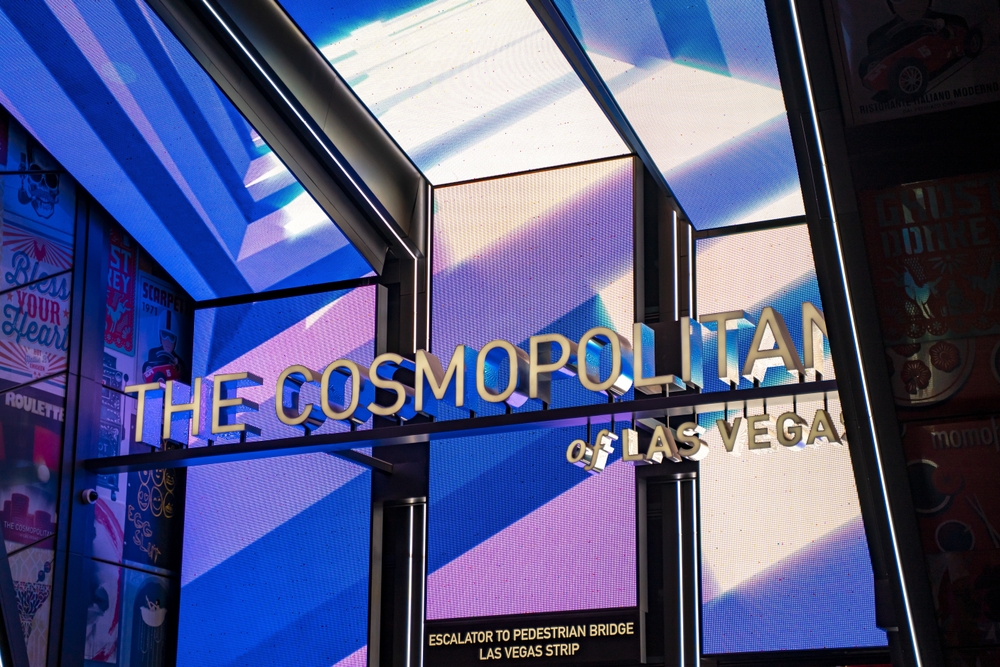
Nobu at Caesars Palace remains the benchmark for the Nobu style — black cod miso, yellowtail jalapeño, an omakase at the counter that is the best sushi experience on the Strip proper; see our Nobu guide. Zuma at The Cosmopolitan is the izakaya-robata-sushi hybrid with the best sake list on the Boulevard. Morimoto at MGM Grand is more traditional than its fame suggests and the omakase there is underrated. Yellowtail at Bellagio has a fountain view and a solid, if pricey, roll list. Catch at ARIA is the scene — good truffle sashimi, but you pay for the blossoms; see our Catch guide. Mizumi at Wynn has a waterfall garden and a quiet formality that suits a date. Expect $120–250 per person at any of these with drinks, and book a week or two out for weekends.
All-you-can-eat sushi: the Las Vegas tradition
Nowhere else in America does AYCE sushi like this city, and it is a legitimate tier rather than a compromise. The format: a fixed price (as of 2026, roughly $30–45 for dinner, less at lunch) for unlimited orders from a long menu of nigiri, rolls, sashimi, appetisers and desserts, with a rule that uneaten items are charged. Quality is genuinely decent at the best places because turnover is enormous. Names locals trust: Sushi Mon, Oyshi, Sakana, Yama Sushi and Goyemon, mostly west and south of the Strip in shopping plazas. Tips: order nigiri rather than rolls for value, ask what came in today, pace yourself, and remember the surcharge for leftovers is real. For more cheap options see cheap eats.
Sushi by occasion
- The serious splurge: Kabuto or Yui at the counter, booked weeks ahead.
- Date night on the Strip: Mizumi at Wynn for calm, Nobu for the classic, Zuma for energy.
- A group celebrating: Catch at ARIA or Nobu's big room; both handle eight and both are loud.
- Late night: Raku is not sushi but is the best Japanese food after midnight; several Chinatown sushi bars serve until 2am. See late-night eats.
- Budget and volume: an AYCE spot at lunch.
- Families: the AYCE places and Zuma's early seating; the omakase counters are not for children.
What sushi costs in 2026
Ranges only, subject to change: Chinatown omakase $60–350 per person before drinks depending on the counter and menu; Strip sushi restaurants $120–250 per person with a couple of drinks; AYCE $30–45 at dinner and $20–30 at lunch. Sake mark-ups are severe on the Strip and moderate in Chinatown. Nigiri à la carte at the good counters runs $6–15 a piece for premium fish such as otoro, uni and kinmedai. Tipping is 18–20% everywhere and some omakase counters add gratuity automatically.
Mistakes to avoid
- Judging Las Vegas sushi by the casino buffet. Buffet sushi is filler; the real thing is three miles west.
- Booking Strip sushi for a quiet dinner. Most of the big rooms are loud; Mizumi is the exception.
- Ordering rolls at an omakase counter. Let the chef lead; add pieces at the end.
- Ignoring the AYCE leftover rule. Over-ordering is charged.
- Turning up without a booking. The counters seat 10–20 people; walk-ins rarely succeed.
- Skipping Spring Mountain Road because it "looks like a strip mall". Every good restaurant on the street does.


