
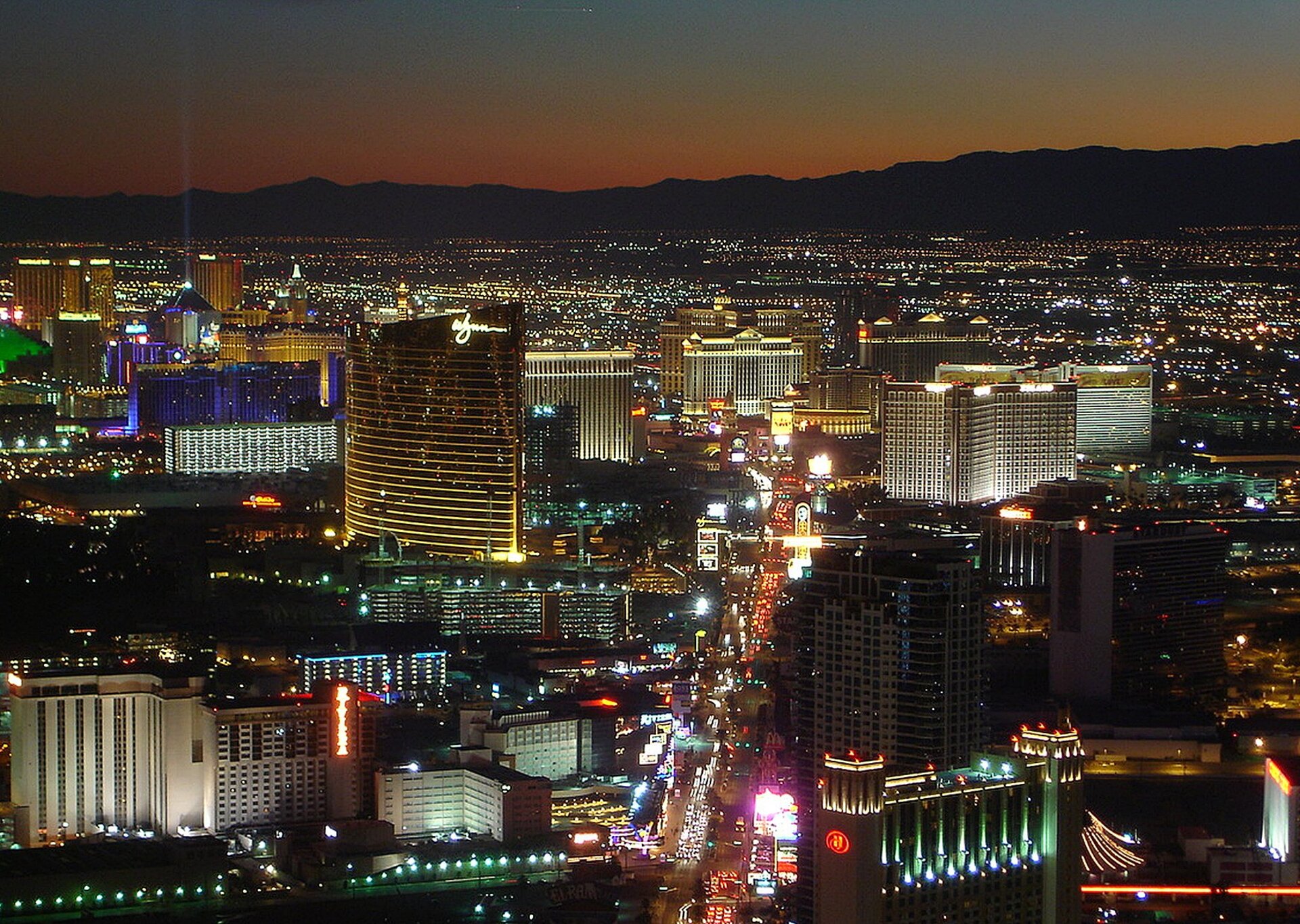
The Las Vegas pricing machine
Hotel rooms here are priced by algorithms that reprice every property many times a day based on demand, and the operators are happy to sell rooms below cost when the casino, restaurants and shows will make it back. That creates enormous swings: the same room at the same resort might be $69 on a Tuesday in early December and $499 on a Saturday during a fight weekend. Deals in Las Vegas are therefore mostly about timing and about being the kind of customer the resort wants, not about coupon codes.
The levers, in rough order of power: which nights you stay, which weeks you avoid, whether you are in the loyalty program and at what tier, whether you gamble at all, how you book, and how you ask at the desk. This page works through them. For the fee side of the bill, read resort fees explained first.
Timing: nights, seasons and the convention calendar
Sunday through Thursday nights are the foundation of every deal; Friday and Saturday routinely cost double. Within the year, the softest periods as of 2026 are early January to early February (except CES week), the peak-heat weeks of July and August, and the stretch from just after Thanksgiving to a few days before Christmas. Shoulder months like late April, May, September and October offer good weather and moderate pricing outside event weekends.
The convention calendar overrides all of this. CES in January, the big construction and mining expos, the National Association of Broadcasters in April, the shoe show, SEMA in early November, plus Formula 1 (late November), major fights, big concerts and the March basketball tournaments all push rates up across the whole city, midweek included. Check the convention centre and event calendars before booking flights; the best time to visit guide has the full picture.
MGM Rewards and Caesars Rewards
Between them, MGM and Caesars own most of the Strip. MGM Rewards covers Bellagio, Aria, Vdara, Cosmopolitan, Park MGM, NoMad, New York-New York, MGM Grand, the Signature, Mandalay Bay, Delano, Luxor and Excalibur. Caesars Rewards covers Caesars Palace, Nobu Hotel, Paris, Planet Hollywood, Horseshoe, Flamingo, the LINQ, Harrah's and the Cromwell. Joining either is free and instant, and members' rates are typically visible immediately and are often 10 to 15 percent below the public rate.
Tiers matter. Both programs waive parking and, at higher tiers, resort fees, and both send offers by email calibrated to your play. The programs also link to credit cards that grant a mid tier automatically, and both have run status matches from competitors' programs and even from each other. Wynn Rewards, Boyd, Station and the Downtown independents are separate and worth joining if you will stay there.
Comps: how a little play becomes free rooms
A comp is a free or discounted room offered because the casino expects to profit from your play. It is calculated from your theoretical loss (bet size times time played times house edge), tracked via your loyalty card in the machine or handed to the dealer. You do not need to lose big; you need to be tracked. A few hours of moderate slot or table play across a trip or two often produces offers for two or three free midweek nights at the mid-range properties, with free-play credits attached.
Rules of thumb: always insert your card, play at the resort brand you want offers from, do not chase offers with play you would not otherwise do (the house edge is real), and check the offer terms for the resort fee. Serious players should ask for a host, who can arrange rooms, dining credits and show tickets directly. Casual visitors should treat comps as a bonus on entertainment they were buying anyway. The shows and nightlife hub covers the sportsbooks and casino basics.
Booking channels: direct, third-party and packages
For most stays, book direct on the resort site with your loyalty number attached. You get member rates, flexible cancellation (usually free until 48 to 72 hours before arrival), loyalty credit and the ability to modify. Third-party sites occasionally beat direct on prepaid, non-refundable rates; that only makes sense if your dates are certain and you check that the total includes the resort fee. Flight-plus-hotel packages can be cheap for weekend trips from West Coast cities, but check what happens if you need to change anything.
Two tactics that work: booking a refundable rate early, then rechecking the price weekly and rebooking if it drops, and checking the hotel site again a few days before arrival when unsold rooms are discounted. One that does not: waiting for a walk-in deal at the desk on a Saturday.
Credit cards, status matches and points
The MGM Rewards and Caesars Rewards co-branded credit cards each grant a mid-tier status (as of 2026, Pearl for MGM and Platinum for Caesars, with parking waived and better offers) on approval; check the current card terms. Hilton Honors status and points work at Resorts World's three hotels and the Waldorf Astoria; Marriott at the Grand Chateau; premium travel cards with hotel programs add breakfast and credits at the Four Seasons, Waldorf and Nobu. Status matches (asking one program to match the tier you hold elsewhere) have been generous in Las Vegas, sometimes between MGM and Caesars themselves; terms change frequently and are posted on the program sites.
If you stay in Las Vegas once a year or more, an hour spent on status is worth several hundred dollars in fees and parking alone.
At the desk: the polite ask
The famous folded-twenty trick still exists but is unreliable and occasionally awkward. A simpler approach works more often: at check-in on a midweek day, ask whether any complimentary upgrades or higher-floor rooms are available, and whether there is a paid upgrade rate; desk upgrade prices are often far below the online difference. Mention an occasion if there is one. If something in the room is broken or an advertised amenity is closed, say so calmly and ask for a fee credit at checkout.
Also ask what the resort fee includes; you may find a dining or spa credit you would otherwise waste. And remember that the person at the desk has more discretion midweek than on a sold-out Saturday.
The offers that are not really deals
- "Free" show tickets or rooms in exchange for a timeshare presentation. Real, but two to three hours of high-pressure sales; only worth it if you can say no easily.
- Non-refundable rates saving $10 a night. The risk exceeds the saving.
- Cheap rooms in unrenovated towers. Ask which tower before you pay.
- Resort credits you cannot use because they apply only to venues you will not visit.
- Offers that require casino play you would not otherwise do. The maths never works.
For the wider budget picture, see Las Vegas on a budget and our cheap hotels guide.