
How to think about Las Vegas attractions
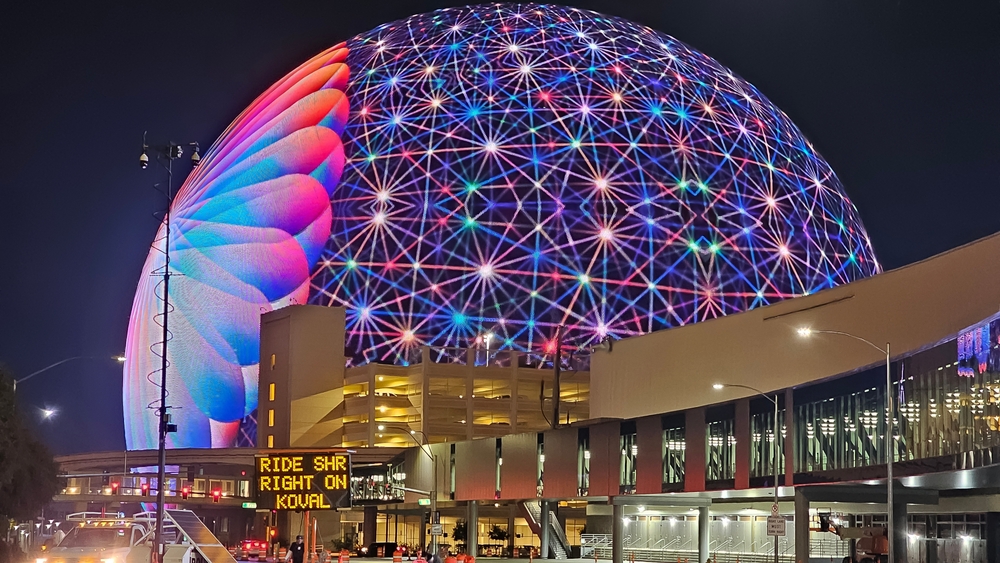
Las Vegas attractions fall into four buckets, and a good trip takes something from each. There are the Strip icons you can walk to — the Sphere Experience, the High Roller, the Bellagio Fountains, the STRAT and the Venetian gondolas. There is Downtown, a 15-minute ride north, where the Fremont Street Experience, the Mob Museum and the Neon Museum sit within a mile of each other. There is the near-Strip warehouse district where AREA15 and Omega Mart live. And there is the desert: Red Rock at 30 minutes, Hoover Dam at 45, Valley of Fire at an hour and the Grand Canyon at two and a half to four and a half hours.
The mistake first-timers make is trying to do all four buckets in a two-night trip. Realistically, budget one ticketed indoor attraction per day plus one free thing, and give any desert excursion its own morning. Nothing here is worth doing at 3pm in July.
What the big attractions cost
As of 2026 — always check the official site before you book — the headline attractions land in these ranges:
- Free: Bellagio Fountains and Conservatory, the Fremont Street canopy shows, Wynn Lake of Dreams, the Flamingo Wildlife Habitat, Seven Magic Mountains, hotel lobbies and the Arts District.
- Under $25: Red Rock Canyon entry per car, Valley of Fire entry per car, the Hoover Dam visitor centre and bridge walk, most Downtown museums for Nevada residents.
- $25–$60: High Roller standard cabin, Neon Museum, Mob Museum general admission, Shark Reef, STRAT SkyPod, Omega Mart, a shared gondola.
- $60–$150: Sphere Experience (most seats), High Roller Happy Half Hour, Hoover Dam guided coach tours, SkyJump, private gondola.
- $150–$600+: Grand Canyon coach tours at the low end, helicopter tours with a canyon landing at the high end.
Almost everything ticketed is dynamically priced: a Tuesday afternoon in early December can be half the cost of a Saturday night in March. Book the expensive things once your dates are fixed, and see our tickets hub for how the discount channels work.
The eight attractions we would not skip
If you only have time for a handful, these are the ones that justify their price and their place on the itinerary:
- Sphere Experience — nothing else on earth shows a film like this. Book the best seat you can afford.
- High Roller — 30 minutes, the whole Strip at your feet, ideally at sunset.
- Hoover Dam — engineering on a scale that photographs never capture. Half a day, easy drive.
- Grand Canyon — a full day, and worth the planning if you pick the right rim.
- Red Rock Canyon — the best value morning in the city.
- Fremont Street Experience — old Las Vegas, loud, free and fun.
- AREA15 and Omega Mart — the most original thing built here in a decade.
- Neon Museum — two hours of history that doubles as the best photo stop in town.
Getting to attractions without a car
You can do most of this list without renting a car. Everything on the Strip is walkable or a short monorail or tram hop; see our transportation guide for how the free trams and the Deuce bus tie the resorts together. Downtown is a $15–$30 rideshare from the centre Strip, or the Deuce runs the whole way for a few dollars. AREA15 is a five-minute rideshare west of the Strip on Desert Inn Road.
The desert is the exception. Red Rock has no public transport but is a cheap rideshare or a half-day tour. Hoover Dam, Valley of Fire and the Grand Canyon are where tours earn their money: a coach pickup at your hotel removes the parking, the navigation and the driver who cannot enjoy the view. For a group of four, a one-day rental car is usually cheaper than four tour seats — but factor in resort parking fees, which are now $18–$30 a night at most Strip hotels.
Timing: heat, crowds and light
Three things decide whether an attraction is pleasant. Heat: from late May to mid-September, anything outdoors — Red Rock, Valley of Fire, Seven Magic Mountains, the Neon Boneyard, the Fremont canopy — belongs before 10am or after 7pm. Valley of Fire actually closes trails on extreme days. Our indoor guide is built for those afternoons. Crowds: weekends, convention weeks and holiday periods push up both prices and queues; a midweek visit in late January, early May or early December is dramatically calmer. Light: the High Roller, the STRAT and the Sphere's Exosphere all look best in the 45 minutes around sunset; the canyons look best at dawn and the last hour before dusk, when the rock turns red.
For a season-by-season breakdown, read when to visit Las Vegas.
Attractions by traveller
Different trips need different lists. Families should lean on Shark Reef, the Discovery Children's Museum, the Adventuredome and the desert, and know that under-21s cannot linger on casino floors. Couples get the most out of a private gondola, the Happy Half Hour cabin and a fountain-view dinner. Non-gamblers have a full week here without touching a chip. Budget travellers should start at free things to do and tours under $50. And anyone with a spare day and a rental car should read the best day trips — Death Valley, Zion and Lake Mead are all realistic in a day.
Mistakes to avoid
- Booking a Grand Canyon tour without checking which rim. The West Rim is closer and has the Skywalk; the South Rim is the national park. They are three hours apart and not interchangeable.
- Walking to the Sphere from the south Strip. It looks close. It is a 45-minute walk in the heat from Mandalay Bay.
- Buying the cheapest Sphere seat. The lower side sections crop the dome; the middle of the 300 and 400 levels is where the film works.
- Turning up at Red Rock at noon on a spring weekend. The scenic drive requires a timed-entry reservation most of the year.
- Assuming the Neon Museum is indoors. It is an outdoor lot; summer visits are night visits.
- Paying attraction prices on the Strip for things that are free a block away. The Fountains, the Conservatory and the Wynn lake show are all free; a resort's "observation lounge" often is not.


