
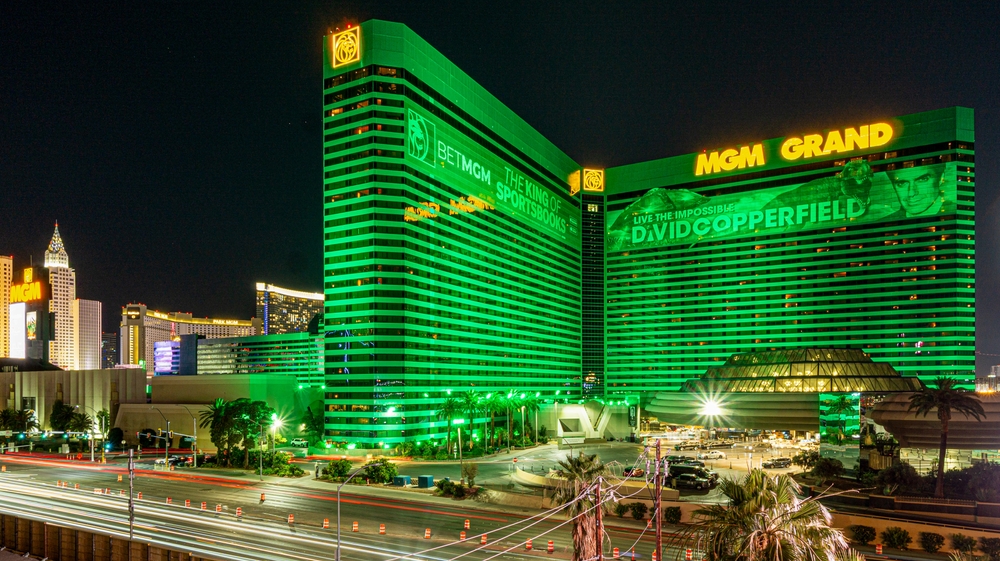
Las Vegas shows & nightlife

Las Vegas shows & nightlife

Nobody comes to Las Vegas to sit in their room. This hub covers every kind of night out on the Strip and downtown — from Cirque du Soleil and Sphere concerts to headliner residencies, comedy, magic, free shows, nightclubs, dayclubs, bars and sportsbooks — with straight answers on what things cost and how to buy tickets without overpaying.

The shape of a Las Vegas night out

Entertainment in Las Vegas sorts into a handful of formats, and knowing which is which saves you from booking the wrong thing. Production shows are the permanent residents — Cirque du Soleil, magicians, revues — playing the same theatre several nights a week, year round. Residencies are touring-scale headliners who play a block of dates in a purpose-built room, then leave and come back later in the year; see our residency guide for how to find who is on. Sphere is its own category — a venue so different that the artist matters less than the building. Then there is the after-dark layer: nightclubs and dayclubs, bars and lounges, and the casino itself, which is entertainment whether or not you gamble.

Most visitors on a three-night trip do one big ticketed show, one cheaper or free thing, and one late night. That is a sensible template: the big shows are expensive enough that two in a row feels like a lot, and the free spectacles on the Strip are good enough that skipping them is a mistake.

How show ticketing actually works

Almost every resident show is sold through the resort's own box office and its ticketing partner (for most of the Strip that means Ticketmaster or AXS, with MGM Resorts and Caesars each running their own front ends). Face value is set in tiers by seating section and varies by day of the week and season. The same seat for a Cirque show can swing by $50 or more between a Tuesday in December and a Saturday during a convention week, so if you are flexible, price a few dates before committing.

Beyond the box office there are three legitimate routes to a cheaper seat: same-day discount booths, resort bundle deals and official resale platforms. We cover all three in cheap show tickets. Two traps to avoid: third-party resale sites that appear at the top of search results and charge well over face value, and "VIP packages" that bundle a mediocre seat with a drink and a lanyard. As of 2026, expect a mid-tier seat at a major production show to run roughly $90–$180 after fees, headliner residencies $150–$500+, and smaller comedy or magic shows $40–$90. Check the official site for current pricing.

Choosing the right show for your group

The question we get most is simply "which show?" and the honest answer depends on who is going. A rough guide:

  • First visit, any age: one Cirque show — O if budget allows, Mystère if not.
  • Couples: a cocktail-hour cabaret like Absinthe, then a lounge with a view (see bars and lounges).
  • Families with kids under 12: Mystère, a magic show, or Tournament of Kings — details in shows for families.
  • Teens: or a Sphere concert.
  • Groups celebrating: a comedy club early, then a nightclub; or a male/female revue for bachelor and bachelorette parties.
  • Music fans: whatever residency is running during your dates, or Michael Jackson ONE as a reliable fallback.

If you can only afford one big ticket, book it for your second night. First nights are for the free shows and getting your bearings; last nights are often early flights.

Seating: where the money goes

Theatre layouts on the Strip are unusually good. Most of the purpose-built rooms (Bellagio's O Theatre, the KÀ Theatre at MGM Grand, the Colosseum at Caesars Palace, Dolby Live at Park MGM) were designed for a single show, so sightlines are consistent and even the cheapest seats see the stage. The premium is for proximity, not visibility. A general rule that holds across most rooms: the best value is the rear of the lower section or front of the first balcony, dead centre. Front-row seats at acrobatic shows are often too close to take in the full stage picture, and side seats in wide theatres can lose part of the action.

At Sphere the calculation is different because the screen wraps the room — lower and closer is not better. Our Sphere shows guide goes section by section. For comedy clubs, the front row is where you get picked on; sit two rows back if that is not your idea of fun.

Timing your evening

Most production shows run two performances a night, typically around 7:00 pm and 9:30 pm, on five or six nights a week, with one or two dark nights (often Tuesday and Wednesday, but it varies by show — always confirm). Run times are usually 75–100 minutes without an intermission. That makes the 7 pm show easy to pair with a late dinner and the 9:30 pm show easy to pair with an early one; see our dining guide for options near each resort.

Build in walking time. The Strip is longer than it looks — Mandalay Bay to Wynn is well over three miles — and getting from a restaurant in one resort to a theatre in another can take 30 minutes on foot or in a taxi queue. Doors usually open 30–45 minutes before curtain, and most theatres will not seat latecomers until a suitable break. Our transportation guide covers the monorail, trams and rideshare pick-up points that make cross-Strip evenings work.

After the show: nightlife by neighbourhood

The Strip's nightlife clusters. The centre Strip (Caesars Palace, Cosmopolitan, Bellagio, Cromwell) has the densest mix of lounges, the Chandelier Bar and Omnia and Drai's for late nights. The north Strip around Wynn, Encore and Resorts World is the polished end: XS, Zouk, quieter cocktail bars. The south Strip (MGM Grand, Mandalay Bay, Park MGM) is anchored by Hakkasan and a run of hotel bars. Downtown is the alternative: the Fremont Street Experience canopy is free and loud, Fremont East and the Arts District have the best bars in the city for people who dislike clubs, and drink prices drop noticeably. Our Strip guide covers each area in depth.

Nightclubs generally open around 10:30 pm and do not fill until midnight; dayclubs run from late morning to sunset in the warm months. Casinos and sportsbooks never close. Cover, dress codes and the reality of bottle service are explained in our nightclub guide.

Mistakes first-timers make

  • Booking every night. Two big shows on consecutive nights blur together. Alternate ticketed shows with free ones.
  • Buying from the first search result. Resale sites outrank box offices and mark up heavily. Go to the resort's own site or the show's official page.
  • Ignoring age limits. Many shows are 18+ or 21+, and several theatres will not admit children under five at all. Check before buying.
  • Underestimating distance. A 7 pm curtain at Mandalay Bay is not compatible with a 6 pm dinner at Wynn.
  • Paying for a club table you do not need. A guest list or a modest cover gets most groups in on most nights. Bottle service is for groups who want a home base, not a requirement.
  • Skipping the free shows. The Bellagio Fountains and the Fremont canopy are on every list for a reason. See free shows.

For a broader first-visit primer, read our first-time Las Vegas guide, and for a sense of what a full evening costs, Las Vegas on a budget.

In this section

  • Cirque du Soleil in Las Vegas: which show is right for you Cirque du Soleil has been the backbone of the Las Vegas show scene since the 1990s, and in 2026 it still runs five resident productions on the Strip. They are not interchangeable: one is a water spectacle, one a martial-arts epic, one a rock-and-roll tribute. Here is how they compare and how to choose.
  • Concerts and shows at Sphere Sphere is the 17,500-seat venue behind The Venetian whose interior screen wraps most of your field of view. Artist residencies there are unlike any other concert in the world, and the ticketing, seating and logistics have their own rules. This page covers the show side; the daytime Sphere Experience is covered in our attractions guide.
  • Headliner residencies in Las Vegas The residency is the modern Las Vegas headline act: a superstar plays a purpose-built theatre for a block of dates, then leaves for a few months, then returns. It is how Adele, Lady Gaga, U2 and Carrie Underwood have played the city, and it means who you can see depends entirely on when you visit.
  • Magic shows in Las Vegas Las Vegas is the magic capital of the world by a wide margin — more full-time resident magicians play here than anywhere else. That means real choice: big-stage illusion, sleight-of-hand close-up, comedy magic and a few genuinely weird acts. Here is who is who.
  • Comedy shows and clubs in Las Vegas Comedy in Las Vegas runs from a 200-seat basement-style club with a two-drink minimum to arena headliners charging a few hundred dollars a seat. Both are worth doing, for different reasons. This guide covers the resident clubs, the touring names and how to avoid the tourist-trap versions.
  • Adult shows in Las Vegas: topless revues, burlesque and cabaret The adult revue is a Las Vegas tradition going back to the showgirl era, and today it covers everything from artful burlesque to bawdy circus-cabaret to male revues built for bachelorette groups. This page explains what each style really involves so you can pick one you will actually enjoy.
  • The best Las Vegas shows for families and kids Las Vegas has more family-appropriate shows than its reputation suggests, but you need to check three things every time: the age minimum, the start time and the run length. This guide sorts the good options by age and flags the ones that are not what they sound like.
  • Free shows in Las Vegas Some of the most memorable things you will see in Las Vegas cost nothing. The Bellagio Fountains alone draw more viewers a night than any ticketed show in town. Here is what still runs for free in 2026, what has closed, and how to time an evening around it.
  • How to get cheap show tickets in Las Vegas Face value is only the starting point in Las Vegas. The same seat can cost half as much on a Tuesday in early December as on a Saturday in March, and the discount booth on the Strip may beat both. This is how the pricing actually works and where the real savings are.
  • Nightclubs in Las Vegas: the big rooms and how they work Las Vegas nightclubs are the biggest, most expensive and most DJ-driven in the country, and the rules around getting in are opaque unless someone explains them. This guide does: which clubs suit which crowd, what the guest list really means and what bottle service costs.
  • Dayclubs and pool parties in Las Vegas The dayclub is the Strip's daytime nightclub: a DJ, a pool, cabanas and a crowd that started drinking before noon. It runs roughly March to October and is a very different experience from your hotel's regular pool. Here is how it works and what it costs.
  • The best bars and lounges in Las Vegas Between the casino bar and the nightclub sits the part of Las Vegas nightlife most visitors miss: skybars with the whole Strip in the window, serious cocktail lounges, hidden speakeasies and the neighbourhood bars downtown where locals actually go. Here is where to start.
  • Sportsbooks in Las Vegas: how they work for visitors Even if you never place a bet, the Las Vegas sportsbook is one of the best places in town to watch a game: giant screens, comfortable seats and a crowd that cares. This page explains how the rooms work, how a first-timer places a wager and which books are worth seeking out.
  • Casino basics for first-timers The casino floor is designed to feel familiar from the movies and is actually full of unwritten rules. This is a plain-English primer for people who have never sat at a table: what the minimum means, how to buy in, what the players card does, how to tip and how to keep it fun.

Frequently Asked Questions

What is the best show in Las Vegas?

For a single recommendation, O by Cirque du Soleil at Bellagio is the most consistently praised production show in the city. If it is sold out or over budget, Mystère at Treasure Island is the best value Cirque show and Absinthe at Caesars Palace is the most fun adult-leaning alternative.

How much do Las Vegas show tickets cost?

As of 2026, resident production shows typically run $70–$250 per seat depending on section and date, headliner residencies $150–$500 or more, and comedy or magic club shows $40–$90. Fees add 15–25 percent. Always check the official box office for current pricing.

How far in advance should I book shows?

For Cirque and other resident shows, two to four weeks is plenty outside holiday weekends. For headliner residencies and Sphere concerts, buy as soon as your dates are set — popular runs sell out months ahead. Same-day discount booths are the exception and work best for less famous shows.

Are there free shows in Las Vegas?

Yes. The Bellagio Fountains, the Wynn Lake of Dreams, the Fremont Street Experience light shows, the Sphere exterior and several resort atrium displays are all free. See our free shows guide for times and viewing spots.

What is the dress code for shows?

There is none at most theatres beyond smart-casual common sense. Nightclubs are a different matter: collared shirts and closed shoes for men, no athletic wear, no shorts, no hats. Dayclubs are swimwear plus a cover-up.

Can children attend Las Vegas shows?

Many can. Cirque shows admit children from age five (some from age two), magic and tribute shows are usually all ages, and Tournament of Kings is built for families. Comedy clubs, adult revues, Mad Apple and Absinthe are 18+ or 21+. Always check the specific show's age policy.

How do nightclub guest lists work?

Most clubs run a free guest list, often via a promoter, that gets you in with reduced or no cover before a cut-off time, typically midnight. Women usually get in free; men sometimes pay a cover or need an even gender ratio. Bottle service bypasses the line altogether but costs several hundred to several thousand dollars.

Is Sphere a show or an attraction?

Both. Concerts and residencies at Sphere are ticketed shows, covered in this hub. The daytime Sphere Experience, a film and exhibition, is covered in our attractions section.

Do shows run every night?

No. Most resident shows are dark one or two nights a week, and residencies play only on scheduled dates. Check the calendar for your specific dates before you build an itinerary around a show.

What time do shows start?

Most production shows have performances around 7 pm and 9:30 pm. Comedy clubs run earlier and later sets, dayclubs open late morning, and nightclubs open around 10:30 pm but rarely get busy before midnight.