
Why tickets deserve their own plan
In most cities you book a hotel and a flight and improvise the rest. In Las Vegas the improvised part is where the money goes. A Cirque du Soleil seat, a Sphere ticket, a nightclub table and two paid attractions can add $400–$1,000 per person to a weekend, and the same items bought badly can cost half again as much. Tickets are also where availability bites: the headline residencies, Sphere concerts and big-name DJs sell out weeks or months ahead, while the second tier of shows is discounted every afternoon on Las Vegas Boulevard.
This hub is the ticket-buying layer of Las Vegas Compass. It does not review shows or rank attractions — the Shows & Nightlife and Attractions hubs do that. It explains where to buy, what a fair price looks like, when to commit and which passes and bundles are worth the trouble.
The four ways every Las Vegas ticket is sold
Nearly everything in Las Vegas is sold through the same four channels, and knowing which one you are looking at tells you what the price means.
- The official box office and its ticketing partner. Every resort theater sells direct, usually through Ticketmaster or AXS. Face value plus service fees, the widest choice of seats, and the only place where a ticket is guaranteed genuine.
- Same-day discount booths. Tix4Tonight and similar counters sell unsold seats for that evening at real discounts, typically 20–50 percent off face. Great for mid-tier shows, useless for the sold-out headliners.
- Resale marketplaces. StubHub, SeatGeek, Vivid Seats and Ticketmaster's own resale section. Prices float with demand; sometimes below face on a slow Tuesday, often double on a Saturday.
- Tour and package sellers. Viator, GetYourGuide, hotel concierges and attraction passes. Convenient, sometimes bundled with dinner or transport, occasionally cheaper, rarely the best seats.
Our how to buy show tickets guide walks through each in detail, including how to read a seat map before you pay.
What tickets typically cost
Ranges below are what visitors actually pay as of 2026 before taxes and fees; check the official site for current pricing.
- Cirque du Soleil: roughly $70–$250 for most seats, more for premium sections at O. See Cirque tickets.
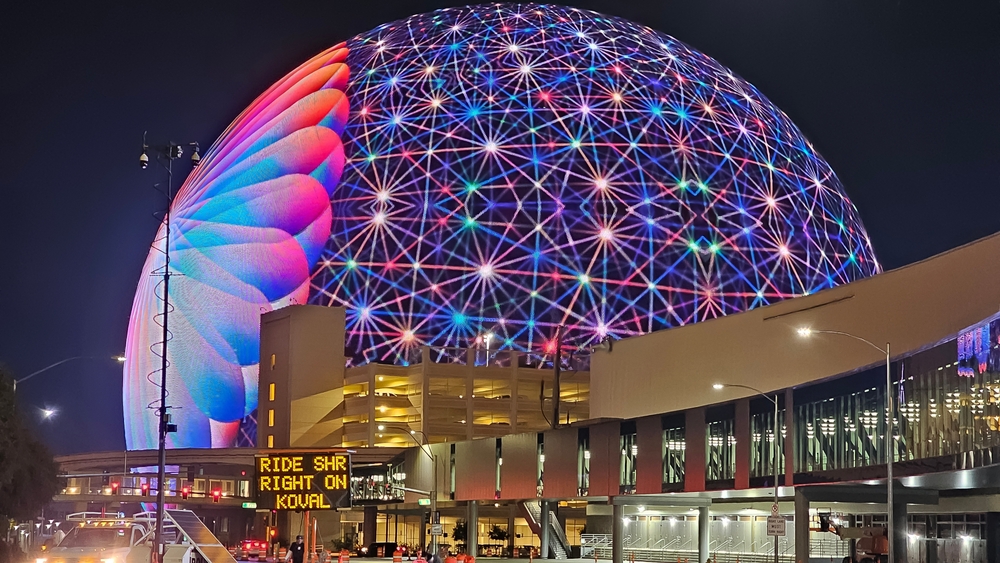
- Sphere Experience film: about $70–$150 depending on section and date; concerts and residencies start well above that. See Sphere tickets.
- Production shows and magic: $50–$180, and this is the tier where discounts are easiest to find.
- Headline residencies at Caesars, Resorts World, Park MGM or Fontainebleau: $150–$600+, rarely discounted.
- Attractions: $25–$60 each for the High Roller, Shark Reef, museums and observation decks, which is why passes can pencil out.
- Nightclubs: free on a guest list, $30–$100+ at the door, and $500 to several thousand dollars for a table. See nightclub tickets.
When to book: a timing cheat sheet
The single biggest lever on price and availability is when you buy. As a rule:
- Book two to four months out for Sphere concerts, headline residencies, big fight or festival weekends and anything falling on a holiday. Prices only go up and the good sections vanish first.
- Book two to six weeks out for Cirque, the Sphere Experience film and popular production shows if you care about a specific date and section.
- Wait for the day of for comedy, magic, tribute acts, afternoon shows and most attractions, which are discounted at the booths or on resort apps when they have not sold.
- Guest lists for nightclubs open a few days ahead and close early in the evening; tables are booked a week or more out for busy weekends.
Big event weeks change all of this. During Formula 1, CES or New Year's Eve, everything sells earlier and costs more; our events hub explains what each one does to the calendar.
Fees, seats and the traps to avoid
The advertised price is almost never the total. Service and facility fees add $10–$40 per ticket on official channels and more on resale. Look for an all-in price toggle before comparing sellers, and check whether the venue charges a separate delivery or print fee.
Seat maps matter more in Las Vegas than in most cities because several theaters were built for a specific show. At KA the lower center sections face the stage head on; at O the side-view seats can miss part of the water work; at Sphere the lower bowl feels immersive while the upper corners feel like a very large cinema. Always open the venue's own seat map rather than the reseller's generic one.
Common mistakes: buying from a resale listing that turns out to be above face value when the box office still has seats; showing up to a nightclub with a guest-list confirmation after the cutoff time; buying an attraction pass for a trip where you only visit one paid attraction; and assuming a Sphere film ticket gets you into a concert. None of these are refundable.
How tickets fit into the rest of your trip
Tickets shape your evenings, so book them before you set restaurant reservations. Most shows start at 7pm and 9:30pm; a 7pm show pairs with a late dinner on the same property, while a 9:30pm show gives you a normal dinner and a nightclub afterward. Choose a show near your hotel or on a connected tram line so you are not paying for a rideshare during peak surge.
If you are building a full plan, our itineraries place shows and attractions on specific days, and the trip planning checklist tells you which bookings to make first. For where the shows actually are, the Strip guide maps every resort theater.


