
When pool season runs
Most Strip resort pools open in early-to-mid March and close in late October or early November. The dayclubs, the ticketed pool parties with DJs, follow a slightly shorter calendar: openings clustered around the second half of March, closing weekends in September or early October. Weather drives the edges. March and October afternoons are typically in the 70s Fahrenheit and pleasant; the water is heated at the major pools but can still feel cool. From May to September the pools are the only comfortable place to be outdoors during the day.
A few pools stay open year-round: the heated pools at Caesars Palace, Bellagio (partially), the Cosmopolitan, Wynn, Encore and Stadium Swim at Circa, among others, which means a winter trip is not entirely poolless. Exact opening and closing dates vary by resort and year, so check the resort's website before you count on it.
Resort pools versus dayclubs
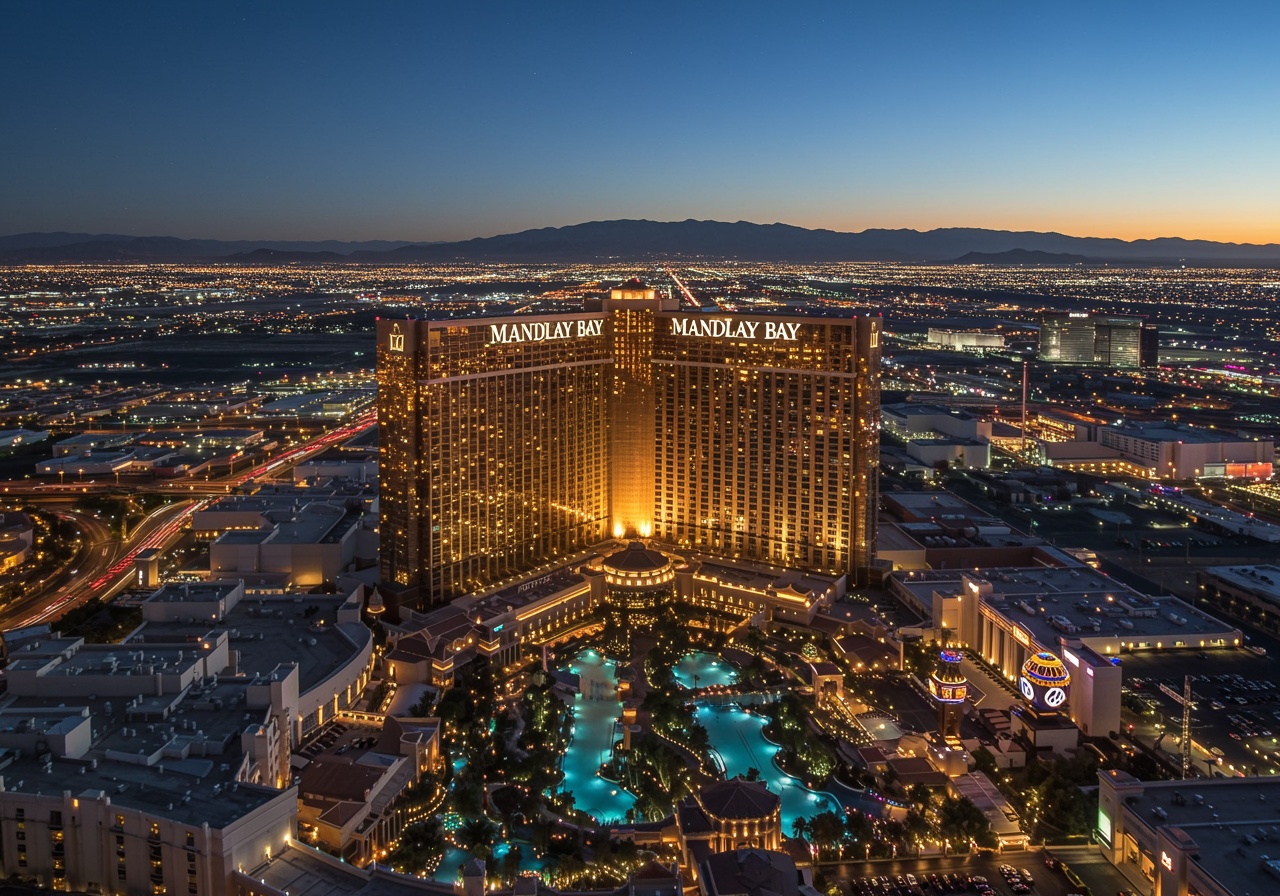
Every Strip resort has a pool for registered guests, included with the room (and its resort fee). They range from a single rectangle to sprawling complexes: Mandalay Bay's beach with a wave pool and lazy river, the Garden of the Gods at Caesars Palace, the Bellagio courtyards, Wynn and Encore's tree-lined pools, the Cosmopolitan's Boulevard Pool overlooking the Strip. Chairs are free but fill early on weekends.
Dayclubs are a separate product. Encore Beach Club, Wet Republic at the MGM Grand, Marquee Dayclub at the Cosmopolitan, Ayu Dayclub at Resorts World, Daylight at Mandalay Bay and Tao Beach at the Venetian charge admission, book DJs, sell bottle service and are adults-only. As of 2026, general admission runs from around $20 on quiet weekdays to $100 or more on headline weekends, with women often free or cheaper on guest lists; check each club's site. Our shows and nightlife hub covers the dayclub scene in depth.
Cabanas, daybeds and what they cost
The pool economy has three tiers above the free chair. A daybed for two to four people sits poolside with a small minimum spend on food and drink. A cabana is a shaded private space with a TV, a fridge, seating for six to ten and a larger minimum. At the dayclubs, bungalows and premium cabanas around the DJ booth run higher again. As of 2026, resort-pool daybeds start in the low hundreds on weekdays, cabanas run from a few hundred to well over a thousand on summer weekends, and dayclub cabanas with bottle service often require minimums of several thousand dollars on headline days. Every resort publishes its own rates and they change by day of the week; check the official site.
The value calculation is simple: divide the minimum by the number of people and compare it to what you would spend on drinks anyway. For a group of eight on a Saturday, a cabana is often cheaper per head than eight people buying $18 cocktails from a chair.
How pool season affects hotel rates
Pool season changes what a room is worth. Resorts with headline pools charge a premium from April to September that they cannot justify in winter, and rooms at the dayclub properties spike on weekends when big DJs are booked. Memorial Day, July 4th and Labor Day, the three big pool weekends, are among the most expensive of the summer; see our holidays guide. Conversely, midweek in July and August, when it is 110 degrees and conventions are few, produces some of the lowest room rates of the year.
If pools are the point of your trip, target late April through May or September, when the weather is warm without being punishing and rates are below the summer peaks. If they are not, an October or November trip gives you the same resorts at a discount with pools still open on the fringe. The hotels guide ranks the pools if that is your deciding factor.
Getting a chair without a 6am wake-up
The chair problem is real on summer weekends: guests reserve loungers with towels at 7am and the pool is full by 10. Strategies that work: arrive when the pool opens, typically 8 or 9am, and claim a spot before breakfast; use the resort's paid reserved-chair option if it has one, which is often cheaper than a daybed; go midweek, when even the busiest pools have space until noon; or choose a resort with several pools, since the second and third pools fill later.
Many resorts limit pool access to registered guests and check room keys at the gate, so pool-hopping is mostly a myth on weekends. Some sell day passes to non-guests on quieter days. Later in the afternoon, from around 3pm, chairs free up as people head inside. The pools close around 6 or 7pm on the Strip.
Rules, dress and what to bring
- Resort pools are for guests of all ages unless marked adults-only; most big resorts have an adult pool area, often topless-optional and 21-plus, alongside the family pool.
- Dayclubs are 21-plus with ID checked at the door. Swimwear is expected; men are usually asked to wear board shorts, not briefs, and no outside food or drink is allowed.
- Sunscreen is essential and forgotten by half the people at the pool. The desert sun at 3,000 feet is stronger than it feels.
- Bring a hat, a refillable water bottle and cash or a card for chair service.
- Glass is banned everywhere; drinks come in plastic.
- Kids need constant supervision at wave pools and lazy rivers, which have their own age rules.
- Rideshare surges when the dayclubs let out at 6pm; walking or the monorail is easier.
Planning a pool-focused trip
Choose the resort by its pool first and everything else second. Families should look at Mandalay Bay, the MGM Grand, Golden Nugget Downtown and the Signature-style properties with lazy rivers; couples and groups at Wynn and Encore, Caesars Palace, the Cosmopolitan and Resorts World. Book cabanas at the same time as the room for holiday weekends; they sell out.
Build the day around the pool from mid-morning to late afternoon, with an early lunch to avoid the 1pm rush, then shower, dinner and a show or the nightclub in the evening. Avoid outdoor daytime activities elsewhere; the desert day trips in our attractions guide are better in the cool months. Our itineraries hub has day-by-day plans that include pool afternoons, and the packing list covers what to bring.


