
The short answer
Bring enough cash for tips and small purchases, roughly $50 to $100 per person per day, plus whatever you have decided to gamble, and pay for everything else by card. Cards are accepted everywhere from the resort to the taco truck, so cash is not for the big spending; it is for the dozens of small hand-offs a day that the tipping guide lists, and for the tables, which take cash or chips and not cards. Withdraw before you arrive. A casino ATM will charge you $6 to $10-plus per transaction on top of your bank's fee, and a big trip can burn $50 in ATM fees alone.
Casino ATMs and why they are so expensive
ATMs on casino floors are operated by third-party companies that pay the casino for placement and recover it from you: surcharges of roughly $6 to $10 per withdrawal are typical as of 2026, some higher at busy weekend hours, on top of the $2 to $5 your own bank may charge for an out-of-network withdrawal and any foreign transaction fee. Withdrawal limits per transaction are often low, which forces multiple withdrawals and multiple fees. The machines also offer "cash advance" on a credit card, which carries a separate fee of several percent plus immediate interest; it is one of the most expensive ways to get money in the United States. The casino cage will sometimes process a debit "cash access" transaction with a smaller fee than the ATM; ask. If you need cash mid-trip, bank branches and credit-union ATMs exist a short walk or ride off the Strip, and your own bank's app can find fee-free machines.
Cheaper ways to get cash
- Withdraw at home before you fly, in $20 bills, and ask your bank for some $5s and $1s.
- Airport ATMs at Harry Reid International Airport charge less than casino machines; not free, but better.
- Bank branches on Flamingo Road, Spring Mountain Road and in the shopping centers off the Strip. Chase, Wells Fargo and Bank of America all have branches within a mile of the Boulevard.
- Cash back at a pharmacy: CVS and Walgreens on the Strip usually offer cash back on debit purchases, typically up to $40 to $60, without a fee.
- Break bills at the cage or a cashier rather than at a bar; they will happily turn a $100 into $5s and $1s.
- Slot vouchers (TITO tickets) from a machine cash out at kiosks for exact change, which is a handy way to get small bills.
International visitors: see the international guide for currency and card notes; exchange bureaus on the Strip give poor rates.
Cashless gaming and players cards
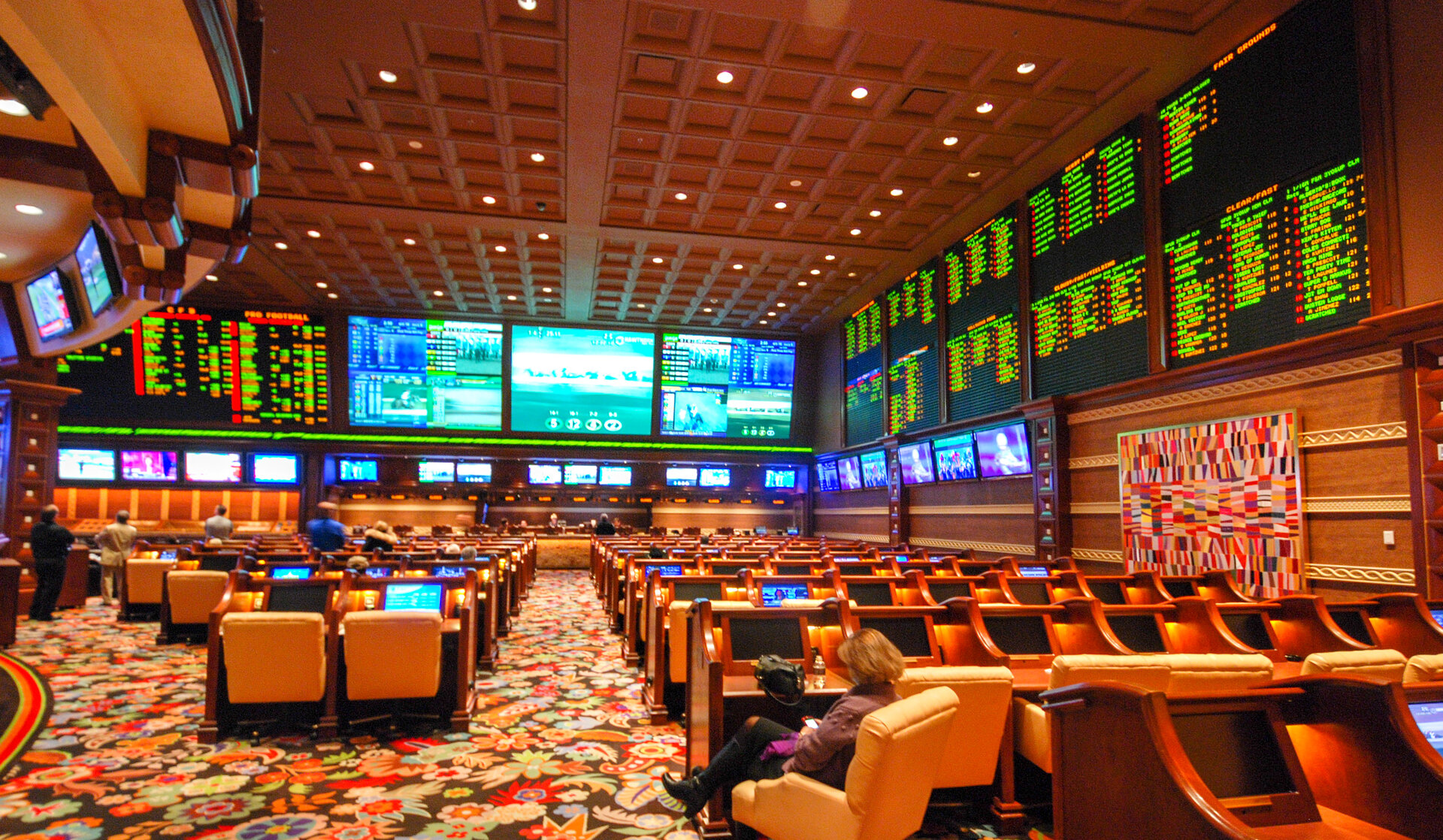
Most big operators now offer cashless play: you load a digital wallet through the casino's app, linked to a bank account or card, and fund slot machines and sometimes tables by tapping or scanning your players card. Wynn, Resorts World, Caesars and MGM properties have systems in various stages, and it is genuinely convenient and avoids ATM fees. It also removes the friction that kept a budget honest, and every consumer advocate warns about the ease of reloading. Set a limit in the app where available. Table games still run on physical chips bought with cash at the table or with a marker (a casino credit line, see the glossary). Sportsbooks take cash and, at some, app deposits; sports betting apps in Nevada require in-person registration at the casino.
Budgeting by travel style (per person, per day)
Rough 2026 figures excluding hotel, flights and gambling, as a starting point:
- Budget: $80 to $150. Cheap eats and food courts, happy hours, free attractions, walking and the bus, one paid show or attraction in the trip. See Las Vegas on a budget.
- Mid-range: $200 to $350. A good dinner, a show or attraction most days, rideshares, a drink or two at a lounge, some pool spending.
- Comfortable: $400 to $700. Celebrity-chef dinners, premium show seats, a cabana day, spa treatment, club night.
- High-end: $1,000-plus. Tasting menus, bottle service, a dayclub table, a helicopter tour.
Then add a resort fee of $30 to $55 a night and parking if driving (see hidden costs), plus tips of $15 to $40 a day. The cash portion of each tier is similar: $50 to $100.
A gambling budget, if you gamble
Decide the number at home and treat it as the price of entertainment, not an investment. A common approach is a fixed amount per session, in cash, kept separate from the trip cash, with winnings above a threshold pocketed and not replayed. Low-limit tables ($10 to $15 minimums are found Downtown and at the older Strip properties; $25-plus is the center-Strip norm on weekends) let $100 last an hour or two; slots at a penny denomination still run 50 cents to $3 a spin. Never use the credit-card cash advance, never chase, and know that a marker is a debt the casino can collect. The casino basics guide explains the games and their house edge, and the sportsbooks guide covers betting.
Keeping cash safe
Split it: the day's cash in a front pocket or zipped bag, the rest in the room safe with your passport and spare card. Do not carry the whole trip's cash around. At tables, chips stay in the rack in front of you; when you leave, color up and take the higher-value chips to the cage promptly, since chips are cash and casinos can refuse damaged or foreign chips. Photograph large chip stacks or take a receipt for big cash-outs. Cashing out more than $10,000 in a day triggers a federal currency report and ID requirements; that is a paperwork matter, not a problem. At the pool, do not leave a wallet on a chair. If you win big, ask security to walk you to the cage and, if you like, to your room. See the safety guide for the scams that target cash.
Mistakes to avoid
Withdrawing $100 at a time from a casino ATM and paying $10 each time. Using a credit card cash advance. Exchanging foreign currency on the Strip. Carrying no small bills and then over-tipping with $20s or under-tipping with nothing. Assuming the resort fee is included in the "prepaid" booking. Bringing thousands in cash "just in case" and then leaving it in a bag by the pool. Forgetting that the trip cash needs to cover the tip on the last day's housekeeping and the ride to the airport. And leaving casino chips in a drawer at home; they are only worth money at the casino that issued them, and some expire.