
Entry: ESTA, visas and what to do before you fly
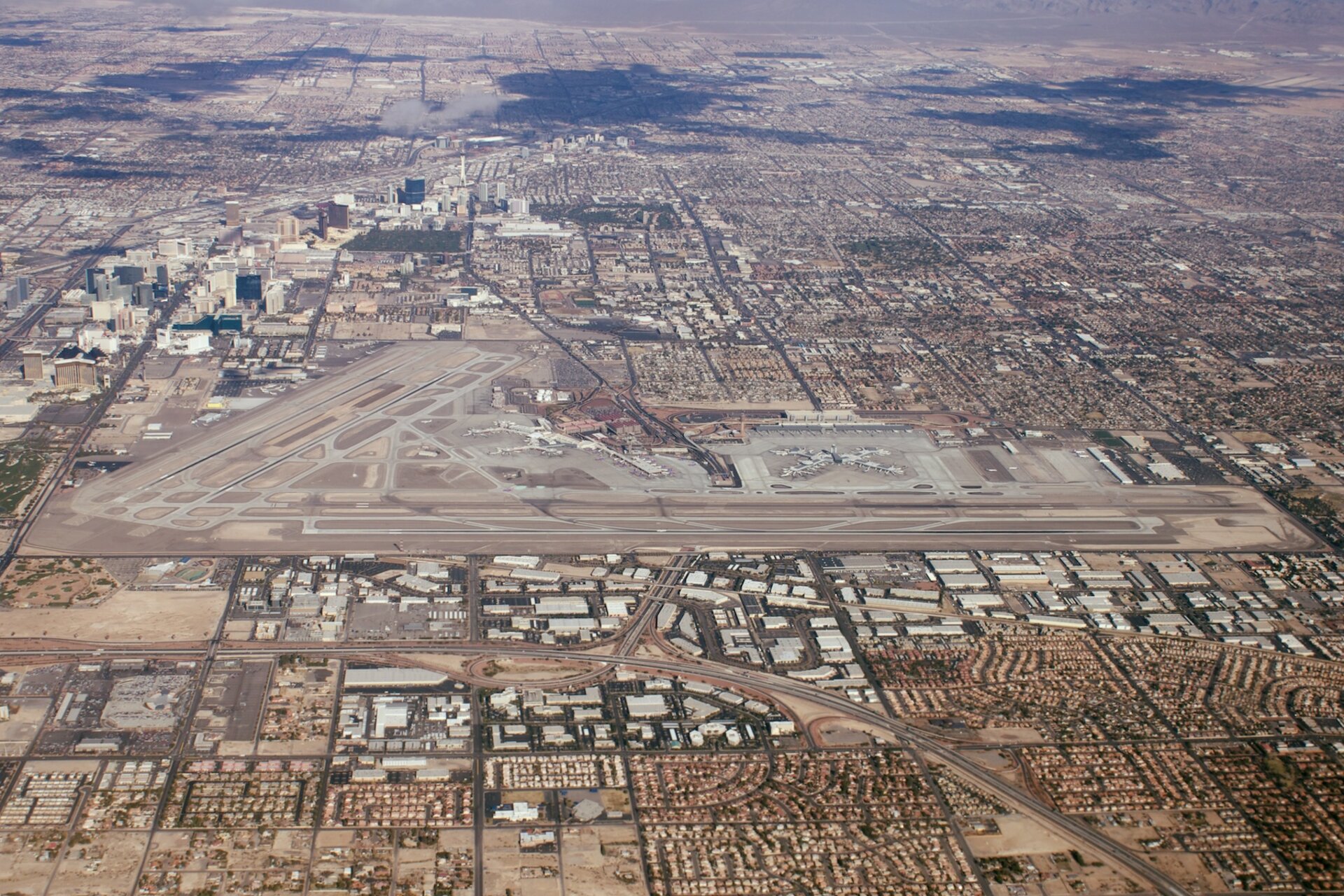
Citizens of Visa Waiver Program countries (the UK, most of the EU, Australia, New Zealand, Japan, South Korea and others) need an approved ESTA before boarding, applied for online on the official US government site for a modest fee, with approval usually within minutes to 72 hours; apply at least a week ahead, and beware of copycat sites charging many times the real fee. ESTA allows stays of up to 90 days for tourism. Travelers from countries outside the program, or with certain travel histories, need a B-2 visitor visa from a US consulate, which can take weeks or months. Requirements, fees and eligibility change; check the US State Department and CBP sites before every trip rather than relying on last year's rules. At the border you will be fingerprinted and photographed and asked the purpose and length of your visit; have your hotel name and return flight to hand. Nonstop flights to Harry Reid International Airport arrive from a growing list of international cities, and connecting flights clear immigration at the first US airport. See the airport guide.
Money: currency, cards and tax at the till
The US dollar is the only currency. Cards are accepted everywhere; contactless, Apple Pay and Google Pay work at almost every terminal, and a card with no foreign transaction fee (or a travel debit card such as Wise or Revolut) saves 2 to 3 percent on everything. Choose to pay in dollars, not your home currency, when a terminal offers a conversion; the "dynamic currency conversion" rate is poor. Bring some dollars in small notes for tips, or withdraw at the airport rather than at a casino ATM (fees of $6 to $10-plus per withdrawal); currency exchange counters on the Strip offer bad rates. The cash guide has the details. The surprise for most visitors is sales tax: the price on the shelf, the menu and the hotel booking excludes it, and roughly 8.4 percent is added at the till on goods and restaurant meals, 13.38 percent on hotel rooms. There is no tax refund scheme for tourists in Nevada.
Tipping: not optional
If you come from a country where service is included, this is the adjustment that matters most. Tipped workers in the US are paid on the assumption of gratuities, and in Las Vegas that includes people you will meet within minutes of landing. The expectations, in brief: 18 to 20 percent in restaurants; $1 to $2 per drink at bars and for the free drinks on the casino floor; $2 to $5 per bag for bellhops and per car for valets; $3 to $5 a night for housekeeping; 15 to 20 percent for taxis and rideshares; a chip or two an hour for dealers. Read the tipping guide before you arrive. Check restaurant bills for an automatic service charge before adding a tip, and note that a "suggested gratuity" on a screen is a suggestion. Not tipping is not a protest; it is a wage cut for the person in front of you.
Phones, data and staying connected
Roaming from most countries is expensive; the cheap options are an eSIM bought before travel (many providers sell US data plans by the gigabyte or the week, activated on landing) or a prepaid US SIM from a carrier store or an airport kiosk. Coverage on the Strip and Downtown is excellent on all networks; it thins out fast on desert day trips and inside some casino floors. Free Wi-Fi is part of the resort fee at nearly every hotel and available in most public spaces. WhatsApp, iMessage and FaceTime work normally. The US uses the 911 number for emergencies. Download offline maps for any desert trip, since Death Valley and much of the Grand Canyon route have no signal.
Plugs, voltage and the small practical things
Plugs are Type A and B (two flat pins, with or without a round earth pin), at 120 volts and 60 Hz. Most phone and laptop chargers are dual-voltage and need only an adapter; hair dryers and straighteners from 230-volt countries often are not, and hotels supply a hair dryer. Distances are in miles, temperatures in Fahrenheit, fuel in gallons and dates in month/day/year. Tap water is safe to drink and the desert makes you drink a lot of it. Shops and restaurants open early and close late; casinos never close. Sunday is a normal trading day. Smoking is banned indoors except on casino floors. The legal drinking and gambling age is 21 without exception, and your passport is the ID to carry; many venues do not accept foreign driving licences or national ID cards. See the laws guide and age rules.
Driving and getting around
A licence from most countries is valid for a short visit, with an International Driving Permit recommended as a translation if the licence is not in English. Rental cars are cheap by European standards but resort parking is not, and for a Strip-only trip you do not need one; see getting around without a car. If you rent, note that traffic drives on the right, right turns on red are legal after stopping unless signed otherwise, speed limits are in miles per hour, and open containers in the car are illegal. Rideshare (Uber and Lyft) is the default way to move around and works exactly as at home; taxis are metered and take cards. The Deuce bus is the cheap option along the Strip. Domestic flights from LAS require Real ID-compliant identification for US residents and a passport for everyone else.
Culture: how the city expects you to behave
Americans in service roles are friendly in a way that can seem effusive; it is sincere enough and it is also the job. "How are you?" is a greeting, not a question. Queues are respected and cutting them is noticed. Dress is casual almost everywhere except nightclubs and the top restaurants, which enforce codes. Casinos will refuse entry to anyone visibly drunk and will remove anyone who argues with security. Photography is fine on the Strip and in most casino public areas, though staff may ask you not to photograph tables. Prices in casinos, shops and restaurants are fixed; there is no haggling except at the outlet markets. Recreational cannabis is legal to buy at 21 but cannot be used in hotels or public, and cannot leave the state. Tipping, tax and the resort fee are the three things that will make your trip cost more than you budgeted; the hidden costs page explains all three.
Health, insurance and emergencies
The United States has no reciprocal healthcare with any country and medical care is extremely expensive; a single emergency-room visit can cost thousands of dollars, so travel insurance with medical cover is essential, not optional. Pharmacies (CVS, Walgreens) sell many medicines over the counter that are prescription-only elsewhere, and vice versa; bring your own prescriptions in original packaging with a copy of the prescription. Urgent-care clinics are the affordable option for minor problems. Emergency number: 911. Consulates for most countries are in Los Angeles or San Francisco, with emergency lines for lost passports. Register your trip with your foreign office if it offers the service. For the desert, the heat is the hazard: see the safety guide.