
Should you bring the dog at all?
Honestly: for a summer Strip trip, probably not. From May through September the sidewalks reach temperatures that burn paws within minutes, the walk from the room to any grass is long and through a casino, and a dog spends most of the day alone in a hotel room waiting for you to come back from a pool it cannot use. For a spring, fall or winter trip, especially one that includes Red Rock, Mount Charleston or a road trip through the desert, Las Vegas is a decent dog city with more accommodating hotels than most resort destinations. This guide assumes you have decided to bring a dog and covers the resorts, the fees as they generally run, the rules and the heat.
Resorts that accept dogs
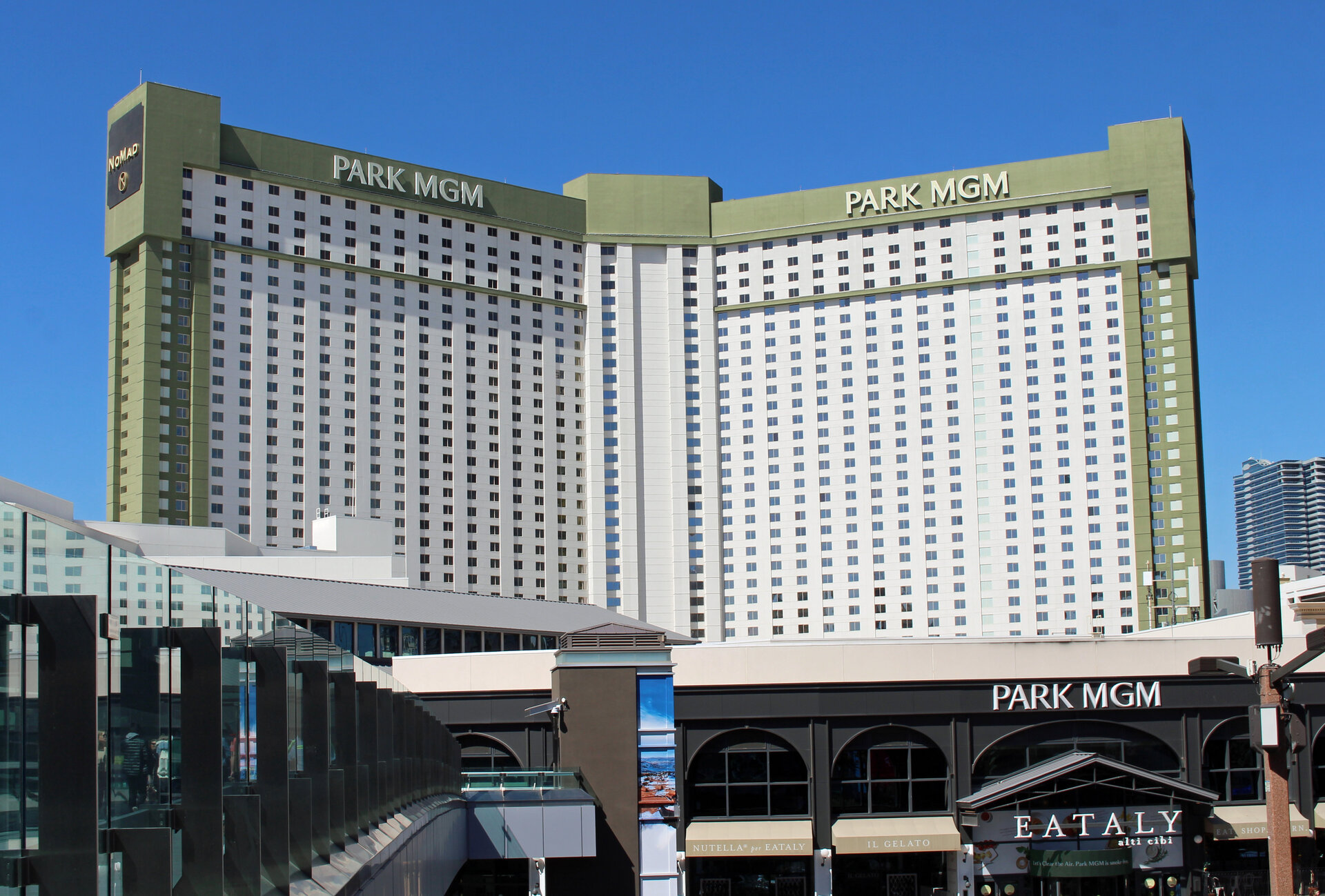
The MGM Resorts portfolio has the longest-running Strip dog program, with pet-friendly rooms at several of its properties (historically including Bellagio, Aria, Vdara, Park MGM, MGM Grand, Mandalay Bay, Delano, New York-New York, Luxor and Excalibur), typically limited to dogs only, one or two per room, with a per-dog weight limit around 100 pounds, and a nightly fee that as of 2026 runs roughly $75 to $100-plus per dog per night, capped at a few nights; check the current program terms and which properties participate, since the list changes. Caesars Entertainment properties (Caesars Palace, Paris, Planet Hollywood, Flamingo, the Linq, Horseshoe, Harrah's, Cromwell) run a similar program with comparable fees and limits. Wynn, Encore and Venetian do not generally accept pets outside of service animals. Downtown and off-Strip options are cheaper: several chain hotels near the Strip and in Henderson and Summerlin accept pets for $25 to $75 a stay. Always book a designated pet room directly with the hotel and confirm the fee in writing; the hotels hub lists property details.
The rules inside a resort
- Casino floors: no. Pet-friendly resorts route dogs through specific entrances and corridors to the elevators, and staff will show you. Service animals are the exception.
- Restaurants, bars, pools, spas, theaters: no, with rare patio exceptions.
- Leash and carrier: leashed at all times in public areas; some hotels require a carrier in elevators.
- Left alone in the room: most programs permit it but require you to be reachable and to leave a sign on the door; some require the dog to be crated when housekeeping enters, and some do not allow housekeeping at all while a dog is present. Excessive barking will end the stay.
- Relief areas: designated outdoor patches near a side entrance, often far from the room; ask on arrival.
- Damage: you are liable, and the deposit or card on file will be charged.
- Vaccination records: sometimes requested; carry them.
Parks, walks and patios
The Strip has almost no grass; the relief patches at the resorts and the odd lawn at a wedding chapel are it. Real walks require a short drive: the Downtown Dog Park near the Arts District; Sunset Park in the south of the valley with a large fenced dog run, ponds and shade; Desert Breeze and Kellogg-Zaher parks in the west; and the trail systems at Red Rock Canyon (dogs allowed on leash on most trails, see the Red Rock guide) and Mount Charleston, which in summer is 20 to 30 degrees cooler than the valley. Many restaurants in the Arts District, Downtown Summerlin and along Fremont East have dog-friendly patios in the cooler months, and the breweries there tend to be welcoming. Dog-friendly patios on the Strip itself are rare; a few of the outdoor cafés at the Linq Promenade and Park MGM's park area have been accommodating, but ask first.
Heat: the rule that matters most
Pavement in Las Vegas sun reaches 140°F to 160°F in summer, hot enough to blister pads in under a minute. The test is to hold the back of your hand on the surface for seven seconds; if you cannot, the dog cannot walk on it. Walk before 8 am and after dark, on grass or dirt where possible, with booties if the dog will tolerate them, and carry water. Never leave a dog in a car for any length of time; interior temperatures pass 120°F within minutes and it is a crime in Nevada. Signs of heatstroke, heavy panting, drooling, stumbling, are an emergency; several 24-hour veterinary hospitals operate in the valley. Flat-faced breeds are at particular risk. The weather guide gives the month-by-month picture; the short version is that October through April is comfortable for a dog and June through September is not.
Flying in, driving in and getting around
Harry Reid International Airport has pet-relief areas both outside and post-security. Airlines charge $95 to $150-plus each way for a cabin pet and have crate and weight rules; check-in early. Rideshares accept pets at the driver's discretion (Uber Pet exists in Las Vegas at a premium), and taxis generally take a dog in a carrier or at the driver's option; confirm before the car arrives. The monorail and buses do not allow non-service animals outside carriers. A rental car is the practical choice for a dog trip and makes the parks and day trips possible; parking at the resorts is covered in the parking guide. Pet sitters and daycare operate near the Strip and are worth the cost for a show night; hotels often have a list.
Service animals versus pets
Under federal law a trained service dog goes everywhere its handler goes, including casino floors, restaurants, theaters and pools, with no pet fee, and staff may ask only whether it is a service animal and what task it performs. Emotional-support animals are not service animals under the ADA and are treated as pets by hotels, airlines and venues in Las Vegas: fees apply, and the casino floor is off limits. Misrepresenting a pet as a service animal is an offense in Nevada. The accessibility guide covers the practicalities for handlers.
A dog-friendly day that works
Early: a walk at Sunset Park or the Downtown Dog Park, then breakfast on a patio in the Arts District. Late morning: a drive to Red Rock for a shaded trail before it heats up, or Mount Charleston in summer. Afternoon: the dog rests in the room with the sign on the door while you use the pool or the casino, checking in by phone if the hotel has a pet concierge. Evening: a cool-hour walk, dinner delivered or a patio Downtown, and an early night. Keep a show or a big night out to an evening when a sitter is booked. Keep the trip to two or three nights; the fee cap and the dog's patience both run out around then.