
Why leave the Strip at all
Nobody needs to leave the Strip to have a good Las Vegas trip. But the Strip is a resort corridor, not a city, and after two or three days most visitors feel it: every meal costs $40, every drink $18, every walk takes half an hour, and every casino is trying the same trick. The valley around it is a real metro area of 2.3 million people with its own rhythms, and the parts of it that reward a visitor are 15 to 40 minutes away by car.
The pay-off is concrete. Locals casinos have $5 blackjack and free parking. Chinatown serves the best food in the state at a third of Strip prices. Summerlin puts you 15 minutes from Red Rock Canyon with a resort that beats most Strip hotels. Boulder City has no casinos at all, which turns out to be restful. This hub is the map to all of it, written for someone with three or four days who wants one or two of them to feel different.
The neighborhoods, in one paragraph each
- Summerlin — the affluent, master-planned west side. Red Rock Resort, Downtown Summerlin, the ballpark, and Red Rock Canyon on the doorstep. Best for hikers, golfers and anyone who wants a resort without the Strip.
- Henderson and Green Valley — the quiet, family-oriented south-east. Green Valley Ranch, M Resort, Lake Las Vegas and the Ethel M chocolate factory. Best for families, Hoover Dam trips and value.
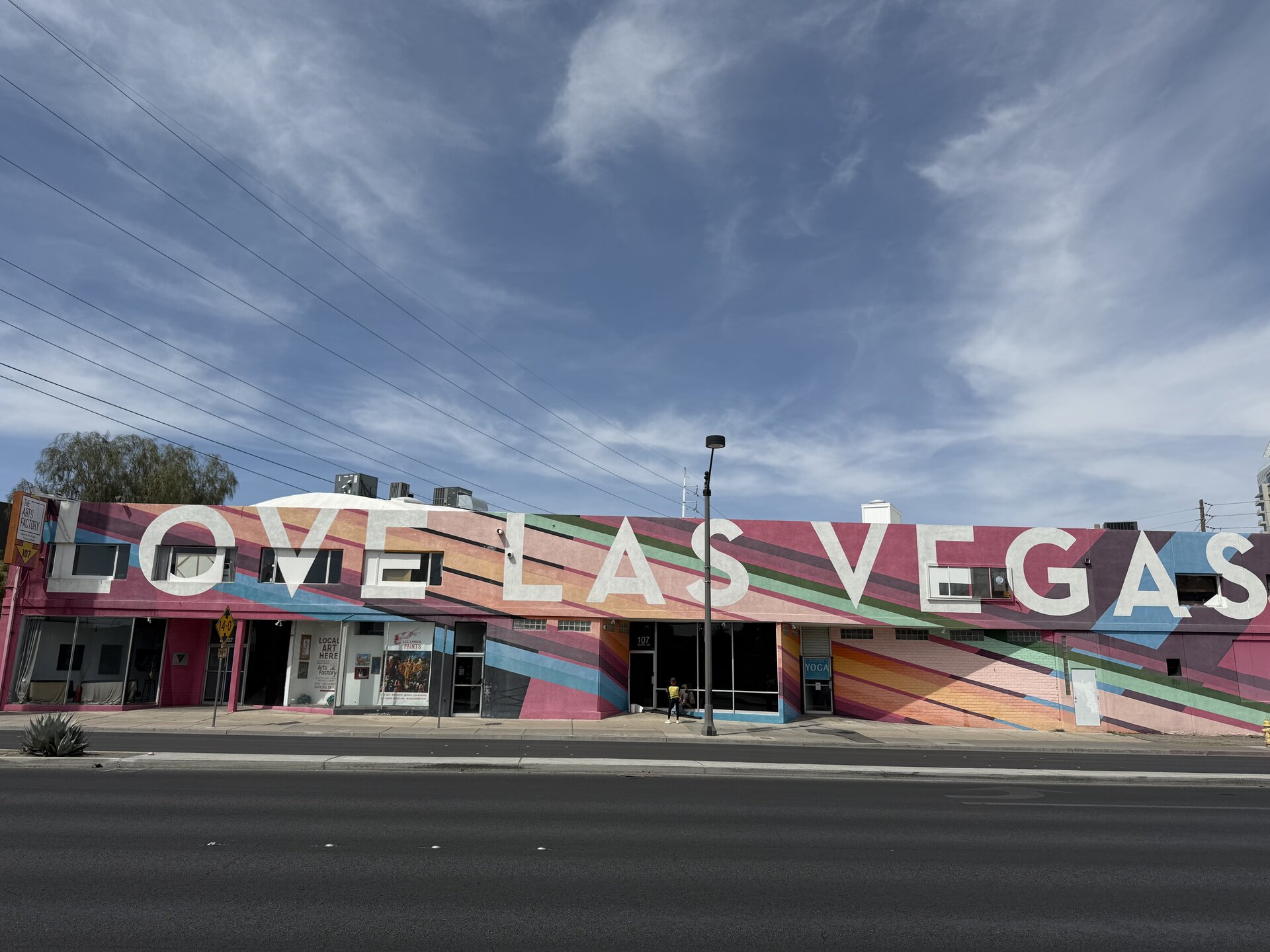
- Arts District — 18 blocks of galleries, breweries, antiques and the best independent restaurants in the city, a mile south of Fremont Street. Best for a long afternoon and evening.
- Chinatown — three miles of Spring Mountain Road ten minutes west of Wynn, with hundreds of Asian restaurants, most open late. Best for eating, full stop.
- Boulder City — the 1930s dam-builders' town with no gambling, a historic hotel, Lake Mead and bighorn sheep. Best paired with Hoover Dam.
- Downtown beyond Fremont — Symphony Park, the Smith Center, the Discovery Children's Museum, the Mob and Neon Museums and the Fremont East bars.
- East side and Boulder Highway — old-school locals casinos, Sam's Town and Boulder Station, the cheapest resort rooms in the valley.
- North Las Vegas and Aliante — the Motor Speedway, Nellis Air Force Base and a newer master-planned district. Best for race and festival weekends.
- Locals casinos guide — how the Station, Boyd and independent locals casinos work and why they win on value.
How the valley is laid out
Las Vegas sits in a flat bowl ringed by mountains, and the grid is easy once you see it. The Strip runs north-south down the middle on Las Vegas Boulevard. Downtown is at its northern end. Interstate 15 runs parallel to the Strip on the west side; the 215 Beltway loops around the outer edge of the valley through Summerlin (west), Henderson (south-east) and North Las Vegas (north). Spring Mountain Road, Flamingo Road, Tropicana Avenue and Sahara Avenue are the big east-west arterials, and each one crosses the Strip at a major intersection.
Distances matter more than they look. Summerlin is 12 to 15 miles west of the Center Strip, Henderson 12 to 15 miles south-east, Boulder City 25 miles, Aliante 18 miles north. With clear roads these are 20-to-35-minute drives; at rush hour on a weekday, or on a Saturday night around the Strip, add 15 minutes. The Strip is a bottleneck, so getting from Summerlin to Henderson means going around it on the 215, which is quicker than it sounds.
Getting to any of them from the Strip
There is no rail to any neighborhood on this hub. Your options, in order of usefulness:
- Rideshare or taxi — the default. Summerlin, Henderson or Chinatown run roughly $20 to $45 each way from the Center Strip as of 2026, more at peak times; Boulder City can be $50 to $70. The return trip is the catch: suburban pick-ups are slower and pricier late at night.
- Rental car — the right answer if you plan two or more off-Strip days. Parking is free at every locals casino, and Strip resort garages now charge, so the maths flips quickly. The car rental guide covers airport pick-up and the Strip garage fees.
- RTC buses — cheap and comprehensive but slow. The Deuce reaches Downtown; other routes reach Summerlin, Henderson and Boulder City in 60 to 90 minutes with a change. Fine for one adventure, tiring for a routine.
- Free locals-casino shuttles — several Station and Boyd properties run shuttles to and from the Strip or the airport for guests; check the property site for the current schedule before relying on one.
The transportation hub has fuller detail on every option.
Staying off the Strip: is it worth it?
For some trips, absolutely. A room at Red Rock Resort, Green Valley Ranch, M Resort or South Point is typically $90 to $250 a night as of 2026 for a product that would cost double on the Strip, with resort fees around $30 to $45 rather than $50-plus, and free parking. You get a big pool, a proper spa, a movie theatre and a food court that does not charge $22 for a sandwich. For repeat visitors, families, hikers, conference-goers on a budget and anyone who has already done the Strip, it is a good trade.
The trade is real, though. Every Strip show, dinner or club is now a $25 to $45 rideshare each way, or a drive plus parking. First-timers should stay on or near the Strip and treat the neighborhoods as day trips. A split stay, two nights off-Strip and two on, works well and is cheaper than either extreme. The off-Strip hotels guide compares the resorts property by property.
What a three-day trip might look like with one neighborhood day
The most common mistake is trying to see three neighborhoods in one day. Each one is a half-day at least, and the driving between them eats the rest. A few pairings that work:
- Red Rock morning, Summerlin afternoon — hike the Scenic Drive early, eat at Downtown Summerlin, sit by the Red Rock Resort pool, drive back for a Strip evening.
- Hoover Dam and Boulder City — the dam tour in the morning, lunch on Nevada Way, the bighorn sheep at Hemenway Park, home via Henderson for dinner at Green Valley Ranch.
- Arts District into Downtown — First Friday if you can time it, otherwise galleries and breweries from 3pm, dinner on Main Street, then the Fremont Street canopy after dark.
- Chinatown late — no planning needed. After a show, take a $15 rideshare to Spring Mountain Road and eat until 2am.
Slot these into the itineraries hub, or use the budget guide if the point of leaving the Strip is to spend less.
Safety, etiquette and what to expect
The neighborhoods on this page are, by and large, safer and calmer than the Strip: fewer drunks, fewer hustlers, more police per visitor. Summerlin, Henderson, Aliante and Boulder City are suburban and unremarkable. The Arts District and Fremont East are lively and well lit but border blocks that are not; stay on Main Street, Commerce and Fremont and take a rideshare rather than walking to the Strip. Boulder Highway is a working-class corridor with visible homelessness in places; use normal city sense and you will have no trouble.
Dress is casual everywhere. Locals casinos are relaxed about children on the walkways to the food court, cinema and bowling alley, though minors still cannot linger on the gaming floor. Tipping norms match the Strip: a dollar or two per drink, 18 to 20 percent at restaurants. Summer heat is more of a hazard off the Strip because you are outdoors more; plan hikes and Boulder City walks for before 10am from June through September, as covered in the best time to visit guide.


