
The four kinds of flight, and what each is really for
Helicopter tours from Las Vegas sort into four products, and choosing the right one is the difference between a highlight and an expensive disappointment.
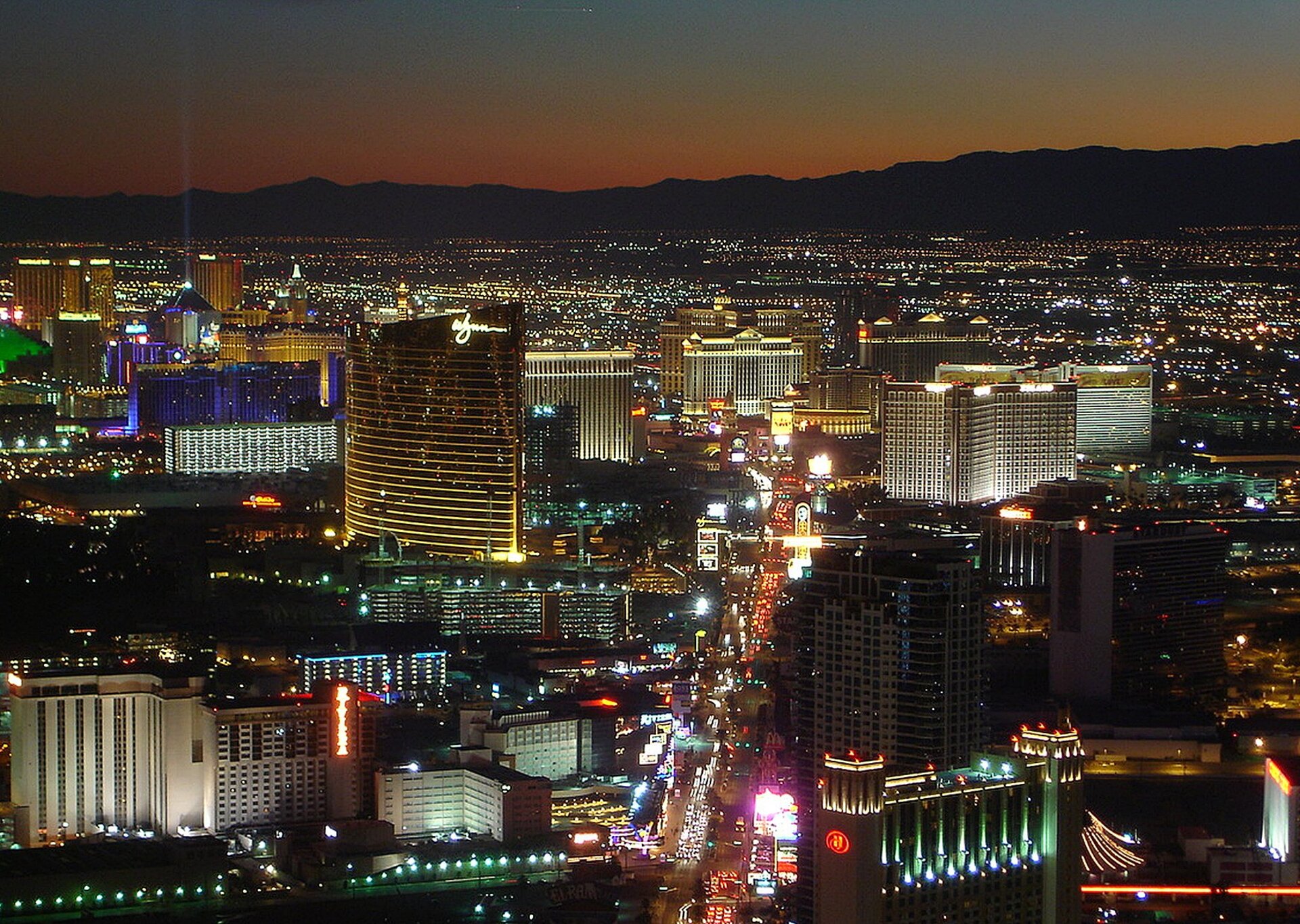
- Strip flights — 10 to 15 minutes over the Strip and Downtown, almost always at night, from the airport-side heliports. Pure spectacle: the lights from 500 feet. Roughly $100–$200 per person as of 2026.
- Grand Canyon West air-only — about 70 minutes each way over Lake Mead, Hoover Dam and the West Rim without landing, or a shorter flight with a landing on the canyon floor or rim. Roughly $400–$700 per person.
- Grand Canyon West landing with extras — a helicopter descent to a plateau 3,500 feet below the rim beside the Colorado, a champagne picnic, sometimes a pontoon boat on the river, and the Strip on the way home at dusk. Roughly $500–$800.
- Airplane tours — fixed-wing flights to Grand Canyon West or the South Rim, sometimes with a ground tour or a helicopter descent added, and small-plane trips to Page for Antelope Canyon. Roughly $300–$800.
All prices are as of 2026 and vary with season, day and operator; check current rates before you book. Hoover Dam and Valley of Fire landing flights, and a few Red Rock and Bootleg Canyon landings, exist as premium variations on the above. The Grand Canyon flights are covered in detail on our Grand Canyon page; this page is about choosing between flight types and doing the flight well.
Where the flights leave from and how long the day takes
The three big operators — Maverick, Papillon and Sundance, plus a handful of smaller ones — fly from heliports on the east side of Harry Reid International Airport and from Boulder City Airport, 30 minutes southeast, where the Grand Canyon flights are cheaper because the aircraft is not paying Strip-side rent. Most packages include a free shuttle from Strip hotels, which adds 60 to 90 minutes each way to the day; a Strip night flight is therefore a two- to three-hour outing door to door, and a Grand Canyon landing tour is four to five hours including check-in, safety briefing, the flights and the time on the ground. Airplane tours to the South Rim with a ground component are full days of seven to nine hours.
Check-in is typically 45 to 60 minutes before departure for weighing and briefing. Flights are grouped by weight and balance, not by booking, so a couple may be split across seats or aircraft unless they pay for a guaranteed window or private charter. Departure times shift with sunset: the sought-after "sunset" Grand Canyon flights leave mid-afternoon in winter and early evening in summer, and the Strip flights start once it is fully dark.
Weight rules, seating and the questions nobody asks until check-in
Every passenger is weighed at check-in. Most operators charge a surcharge for passengers over roughly 275 to 300 pounds (the exact threshold varies by company and aircraft; check when booking) because they may need to buy an adjacent seat or fly with fewer passengers, and they will refuse boarding over a higher limit. It is worth stating your weight honestly at booking to avoid a scene at the counter. Children generally fly from age two on a parent's lap or in their own seat, with an adult fare from around 12; infants and pregnant passengers face restrictions.
Seating is assigned by the pilot for balance. The front seats beside the pilot have the best forward view; the rear window seats are good; the rear middle seat, on six-passenger EC130 and A-Star aircraft, sees the least — and it is the seat the lightest passenger usually gets. A guaranteed front or window seat is sold as an upgrade on some flights, and a private charter guarantees the whole cabin. Aircraft have large windows and the rotors do not obstruct much; still, it is worth asking which model you will fly. Airsickness is uncommon on helicopters but real in a small airplane on a hot afternoon; take the morning flight if you are prone.
Best time of day and season
For the Strip, fly fully dark — an hour or more after sunset — and ideally on a clear, still night; wind cancels flights, and a cloudy sky dulls the colour. For the Grand Canyon, morning is the smoothest and clearest air; late afternoon gives the warmest light on the rock and, on the way home, the Strip at dusk, which is why the sunset packages cost more. Midday summer flights are bumpier and hazier and the canyon is bleached; winter gives the sharpest visibility of the year and the coldest canyon floor.
Season matters for cost and comfort more than for scenery. Summer afternoons regularly hit turbulence over the desert; heat also limits the weight an aircraft can carry, which is when the weight rules bite hardest. Winter storms cancel days at a time; operators rebook or refund, but a rebooked flight on your last morning is no use, so book the flight early in your trip. Spring and autumn are the sweet spot. Our best time to visit guide covers the months.
Costs, deals and how to save
The list prices above are real, but almost nobody pays them. Booking direct and early, flying from Boulder City rather than the Strip, choosing an air-only rather than a landing tour and flying midweek in the off-season all cut the cost, and the Grand Canyon flights are routinely discounted 20 to 40 percent on tour-booking sites and through hotel concierges. Bundles — helicopter plus Skywalk, plus Hoover Dam coach, plus a Strip night flight — are cheaper than the parts but tend to include things you would not choose. Compare on our tickets hub before committing.
Hidden costs: a fuel surcharge or airport fee of $20–$40 per person added at booking; a guaranteed-seat upgrade of $50–$150; the weight surcharge; tips for pilots and shuttle drivers (customary, not required); and the Grand Canyon West tribal fees, which are included in landing tours but worth confirming. Cancellation is usually free 24 to 48 hours out and weather cancellations are refunded in full. A Strip night flight is one of the few sub-$200 ways to get a view of the city that beats the High Roller; a Grand Canyon landing is the single most expensive half day most visitors spend in Las Vegas, and most say it was worth it.
Tour versus doing it another way
The flight is the tour; there is no self-guided option. But it is fair to ask whether a flight is the best way to see what you want to see. For the Grand Canyon West Rim, a helicopter is faster (45 minutes versus two and a half hours each way by road) and the descent to the canyon floor is something a coach cannot do; for the South Rim, an airplane saves a nine-hour round trip but you spend the ground time on a bus. For Hoover Dam and Lake Mead, the flyover is beautiful but the dam is better visited on foot. For Valley of Fire or Red Rock, a landing flight is a luxury; the drive is 30 to 60 minutes and the walk is the point.
In short: fly if your time is short and your budget is not, if mobility makes the road trips hard, or if it is a celebration. Drive or take a coach if you want hours rather than minutes at the destination. Our day trips ranking puts the road options side by side, and the romantic things to do guide has notes on the sunset and champagne packages that make the flight an occasion.
What to pack and how to prepare
Dress in layers: the aircraft is warm, the Grand Canyon floor in winter is cold and the rim is windy. Wear dark clothing for window reflections in photographs, sunglasses, and closed shoes if you are landing. Bring a phone or camera with a strap and a polarising filter if you have one; large bags are not allowed in the cabin and are stowed. Eat lightly beforehand, skip the pre-flight cocktails, take motion-sickness medication if you are prone, and carry photo ID — it is checked at the counter. Sunscreen and water for a canyon landing; a light jacket for the Strip flight in winter.
Arrive early, weigh honestly, hold the headset on when the rotors start and, once aloft, put the phone down for at least a minute and look. The packing list covers the rest of the trip.
Combining a flight with the rest of a trip
The Strip night flight is the easiest to fit anywhere: book it for the evening you arrive or for a night with no show, and follow it with a late dinner. The Grand Canyon landing tours occupy a morning or an afternoon and leave the other half free; the sunset version returns around 8 or 9 p.m. Airplane tours to the South Rim, and the Antelope Canyon fly-in, are full days that need nothing else booked. Many Grand Canyon flights include a Hoover Dam flyover, so a separate dam trip becomes optional — but the flyover shows the dam, it does not tour it.
The best value combination for a short trip is a Boulder City departure that includes hotel pick-up in the morning, a canyon landing before lunch and the Strip flight added as a night-time return; it packages three of the most famous views in the Southwest into a single day. See how it slots into a plan on the itineraries hub, and for the ground-level version of the same landscapes, Lake Mead and the Grand Canyon pages.


