
Why the city suits older travelers
Strip away the nightclubs and Las Vegas is a city of good restaurants, comfortable theaters, big-name entertainers from every decade, a warm winter climate and a casino floor that has always been the most age-friendly social space in America. The average visitor age is higher than the marketing suggests, the resorts know it, and many of the best experiences, an early dinner, a 7 pm show, a morning at Red Rock, a slow buffet, a lounge act, are built for a slower rhythm. The obstacles are the same ones the accessibility guide deals with: distance, heat, crowds and noise. Solve those with planning and the trip improves dramatically.
Choosing a hotel for short walks
The single most important decision. Look for a resort where the front entrance, the elevators, a good restaurant or two, a theater and the pool are close together, and where the casino floor is not the only route. Strong choices: The Cosmopolitan (compact, central, walkable to Bellagio and Caesars); Vdara and Waldorf Astoria (no casino, quiet, connected to Aria and the tram); Wynn and Encore (self-contained with excellent restaurants and a theater under one roof); Bellagio (central, everything close, but crowded); Park MGM (non-smoking, compact, Dolby Live theater on site); and Downtown, Golden Nugget, where the whole of Fremont Street is at the door. Avoid the enormous, far-flung resorts unless you plan to stay inside them. Request a room near the elevators, on a lower floor if evacuation is a concern, and away from the pool and nightclub. Adults-only and quiet hotels has more.
Pacing a day around the heat and the distances
Between May and September, do outdoor things before 10 am or after sunset and spend the afternoon indoors: a show, a museum, a long lunch, a nap, the casino. In the cooler months the pattern relaxes but the distances do not. Plan one resort cluster per day and one "big" activity, and use the free trams, the monorail and short rideshares between clusters rather than walking a mile on the Boulevard. Sit down often; every resort has lobby seating, and the older ones have the best lounge chairs. Carry water and a light layer for the fierce air conditioning. Build in a rest in the room mid-afternoon and the evenings will be far more enjoyable. If walking is limited, a rented scooter (see the accessibility guide) turns the Strip back into a place you can explore.
Early shows, matinees and quieter entertainment
Many production shows offer a 7 pm performance alongside the 9:30 pm, and several run afternoon matinees on weekends; the early slot is cheaper, less crowded and ends in time for a late dinner. Theaters at the Venetian, Wynn, Bellagio, Caesars and Park MGM are comfortable with good sight lines from the accessible and mid-tier seats; the older showrooms at the Westgate and Downtown have cabaret-style seating with tables. The Sphere is loud but spectacular and has excellent seating. Lounge acts, tribute shows, big-band and classic Vegas entertainers still play the smaller rooms at the Golden Nugget, the Orleans, South Point and Westgate, often at half the Strip price. Comedy in the intimate rooms starts earlier than the clubs. See the shows hub and the discount tickets guide.
Dining that does not involve queueing
Book. An early reservation at a resort restaurant (5:30 to 6:30 pm) means a quiet room, attentive staff and no wait; the same restaurant at 8:30 pm on a Saturday is a scrum. The classic steakhouses, Italian rooms and the hotel-lobby cafés are the most comfortable for older diners, with proper chairs and lower noise; the steakhouse guide lists them. Buffets are easy but involve standing in line at peak times; go at off-peak hours or buy the line-skip where offered. Many restaurants offer smaller portions or shared plates on request. Coffee and breakfast are best at the resort's café rather than the food court. Off-Strip, the locals casinos (Red Rock, Green Valley Ranch, South Point) have good, cheap, calm restaurants and free parking, and they are used to an older clientele.
Casino comfort and the locals casinos
The casino floor is where many older visitors are happiest, and there are ways to make it more comfortable: play on weekday mornings and afternoons when the floors are quiet; choose the non-smoking sections or Park MGM; sit at the slot banks and tables near the cage rather than the club entrances; join the players club for the free tier, which brings offers and often waives parking; and set a daily limit. The locals casinos and the Downtown properties have lower table minimums ($5 to $10), looser slots, video poker with better paytables, cheaper drinks and a calmer, older crowd; South Point and the Orleans are particularly popular with retirees and have their own shows, bowling and movie theaters. Bingo halls still exist at several. The casino basics guide explains the games for anyone new to them.
Discounts and value
There is no citywide senior discount, but real savings exist: AARP and similar memberships bring hotel and rental-car rates; some shows and attractions offer senior pricing, usually 62 or 65 and over, at the box office; the Deuce bus and RTC system sell reduced fares for seniors with ID; the National Park Service lifetime senior pass covers Lake Mead, Death Valley and the Grand Canyon and is a bargain; and casino players clubs routinely run weekday senior promotions at the locals casinos. The bigger savings are structural: midweek stays, early shows, off-peak dining, and skipping the resort fee by choosing a hotel without one. The hotel deal guide walks through the booking side.
Health, medications and getting help
Bring more medication than you need and keep it in your carry-on and then the room safe, with a list of prescriptions. The altitude is modest (about 2,000 feet) but the dryness is real; drink more water than feels necessary and expect dry skin and lips. Pharmacies (CVS and Walgreens) are on the Strip and open late or 24 hours. Urgent-care clinics near the Strip handle minor issues for a fraction of an emergency-room bill; the major hospitals are Sunrise and University Medical Center. Resort security and the front desk will call medical help and are used to doing so. Travel insurance is worth it for visitors from abroad. The safety guide covers the scams that specifically target older visitors, notably the timeshare presentations and the "free gift" desks.
A gentle three-day plan
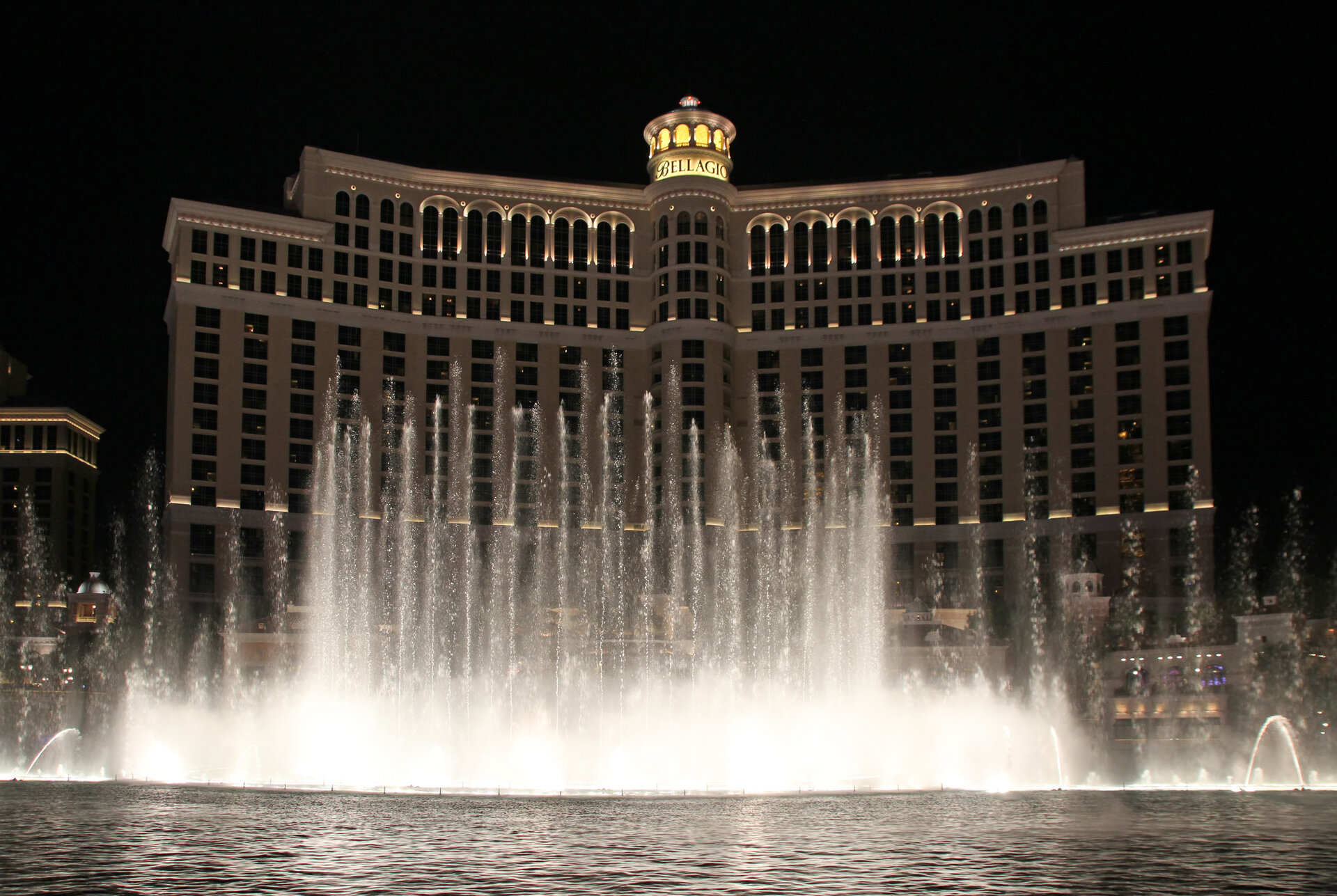
Day one: arrive, settle, early dinner at the hotel, the Bellagio fountains and Conservatory after dark. Day two: a morning tour to Hoover Dam or Red Rock with a small-group operator that handles the driving; afternoon rest; 7 pm show; late supper. Day three: Downtown by rideshare in the morning for the Mob Museum and Fremont Street in daylight, lunch at the Golden Nugget, afternoon at the pool or the tables, a lounge show or a steakhouse dinner. Fly home mid-morning rather than at dawn. The three-day itinerary is a fuller template you can slow down.